

The Latin American and Caribbean Economic System (SELA) is an intergovernmental regional organization that groups 25 Latin American and Caribbean countries. With headquarters in Caracas, Venezuela, SELA was established on 17 October 1975 by the Panama Convention and its current membership includes Argentina, Bahamas, Barbados, Belize, Bolivia, Brazil, Colombia, Cuba, Chile, Ecuador, El Salvador, Guatemala, Guyana, Haiti, Honduras, Mexico, Nicaragua, Panama, Paraguay, Peru, Dominican Republic, Suriname, Trinidad & Tobago, Uruguay and Venezuela.
SELA is primarily aimed at promoting a system of consultation and coordination for the Latin American and Caribbean region to adopt common positions and strategies on economic issues before countries, groups of countries, forums and international organizations, and at fostering cooperation and integration among Latin American and Caribbean nations.
At its XXXI Regular Meeting (21 to 23 November 2005), the Latin American Council, the highest decision-making body of SELA, agreed, by Decision 473, that “the terms ‘Latin America’ and ‘Latin American’, as used in the Panama Convention establishing the ‘Latin American Economic System’ should be interpreted as meaning ‘Latin America and the Caribbean’ and ‘Latin American and Caribbean’, respectively, and that, consequently, the name of the organization should be understood as meaning ‘Latin American and Caribbean Economic System’.
Institutional Documents
The Latin American Council is the principal decision-making body of SELA. Each Member States has one (1) Representative to this Council, which meets regularly once a year. Its responsibilities include determining the institution’s general policies and formulating specific declarations in the form of Decisions approved on a consensual basis.
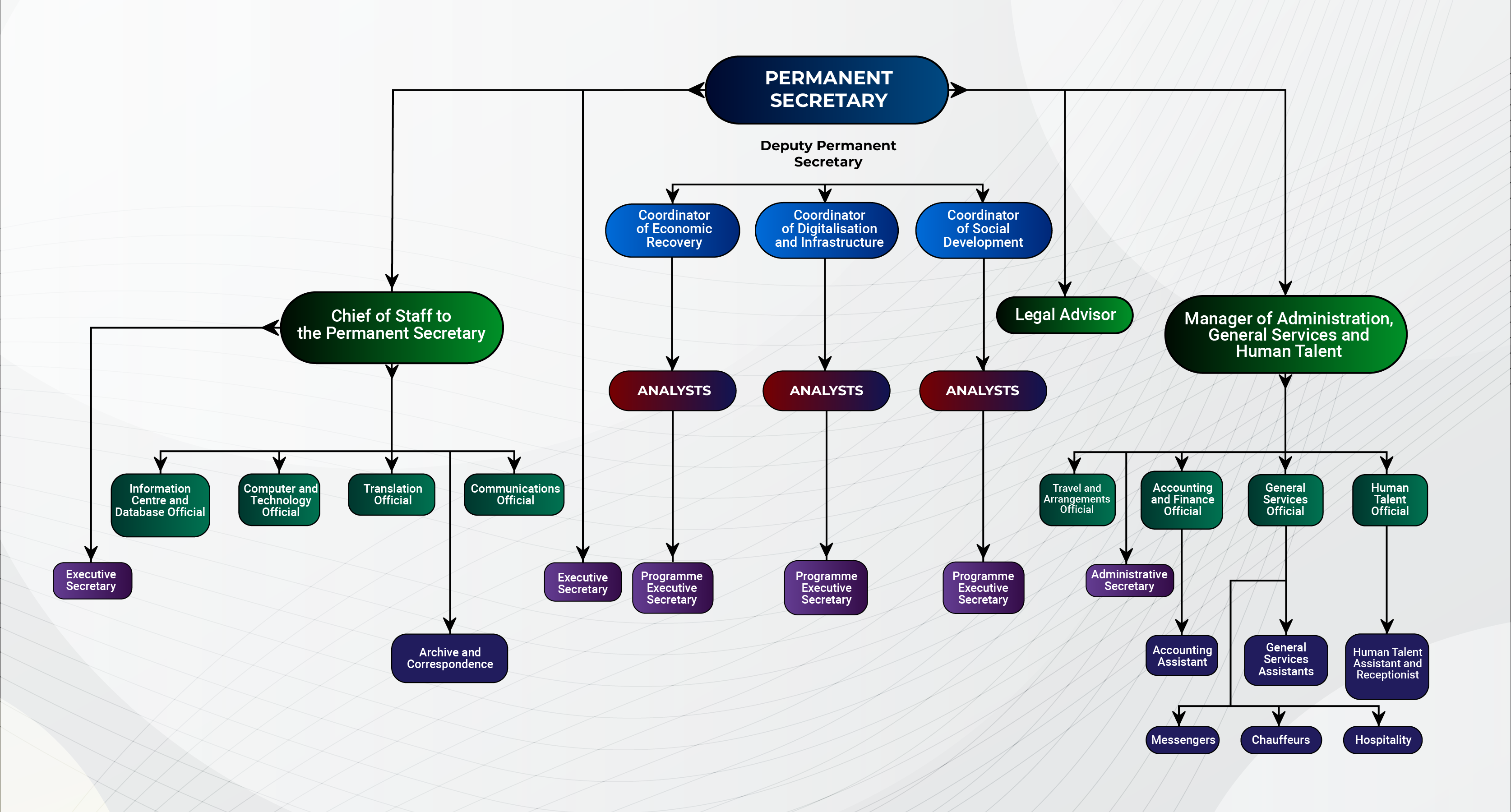
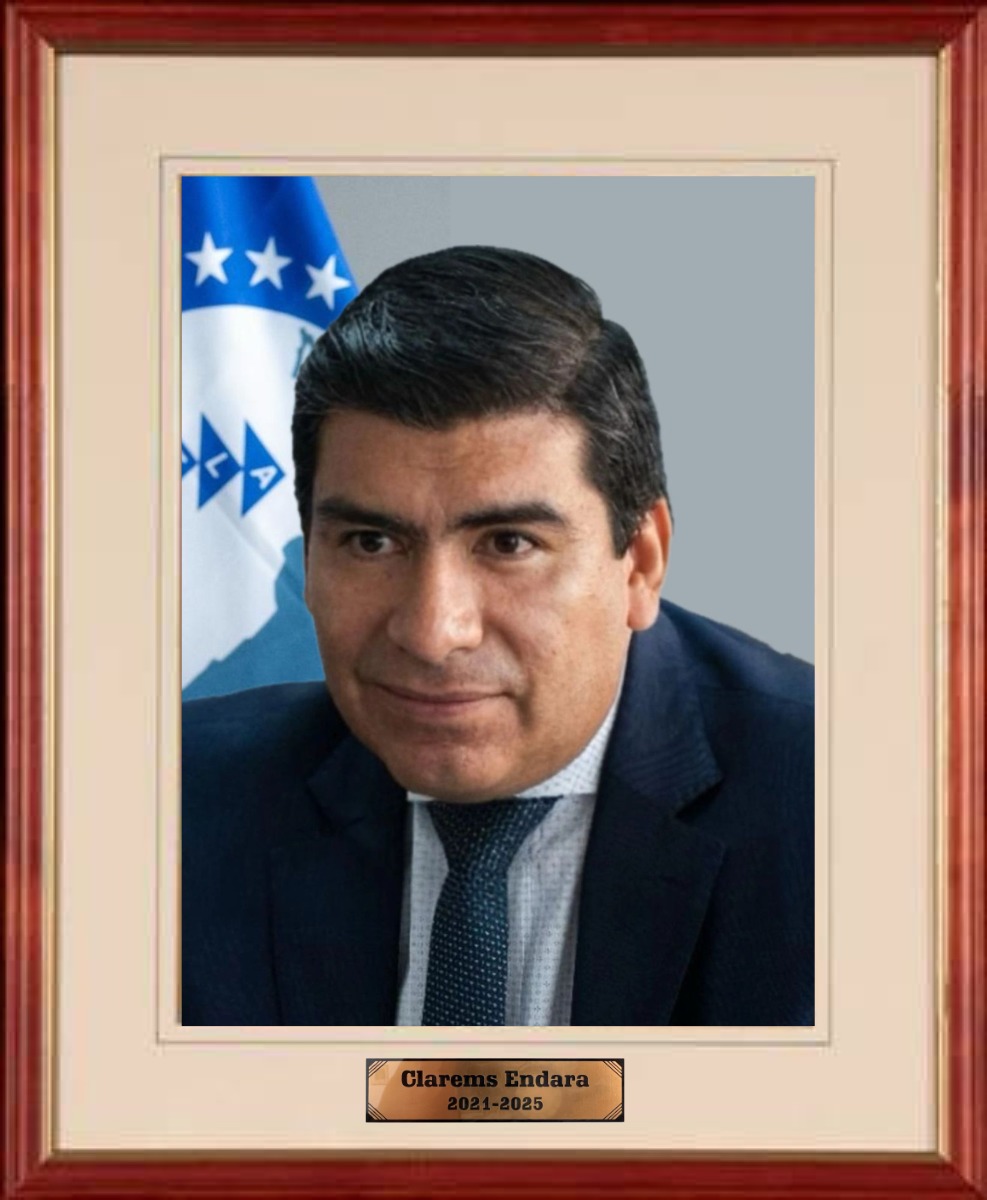
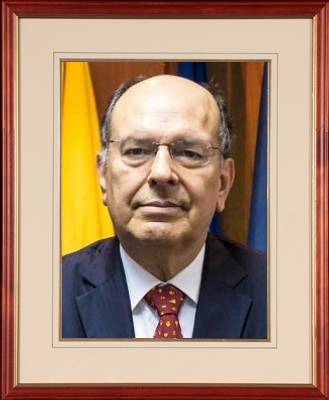
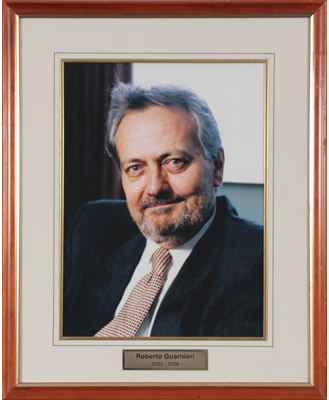
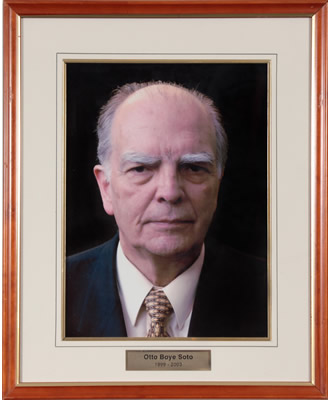
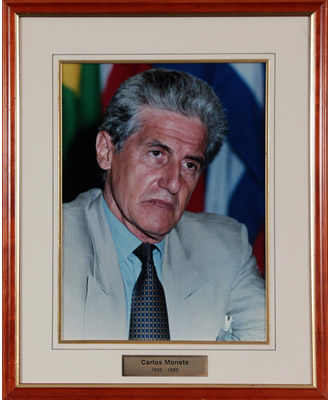
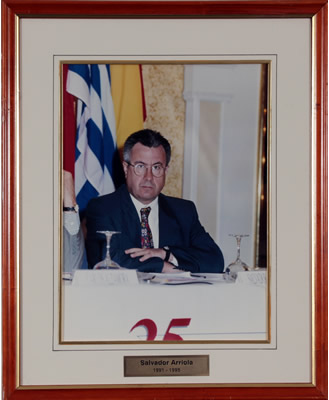
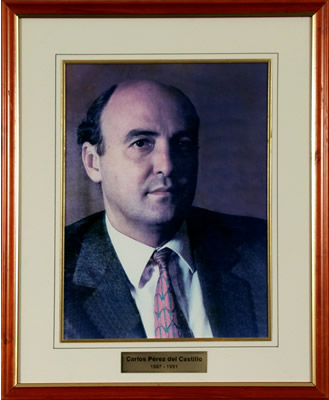
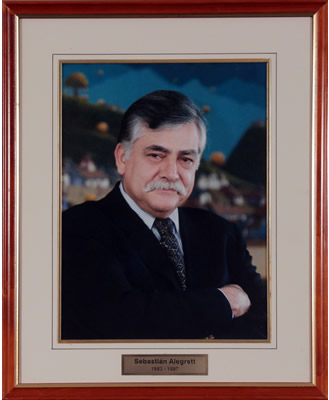
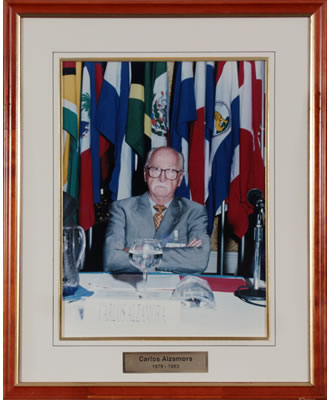
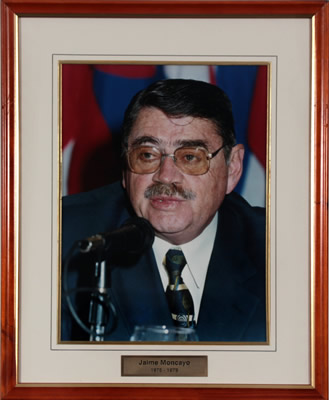
The Permanent Secretariat is the technical administrative organ of SELA. It is headed by a Permanent Secretary, who is elected by the Latin American Council for a period of four years. The following are some its functions: to encourage and carry out preliminary studies and take the measures necessary to identify and promote projects of interest to two or more Member States; to propose to the Council programmes and projects of common interest and to suggest ways in which they may be carried out, including meetings of experts and other measures which may better contribute to the attainment of the objectives of SELA and to promote and conclude, subject to the approval of the Council, arrangements with international organizations and agencies, national agencies of Member States and third countries, to carry out studies, programmes and projects, especially those of a regional nature.
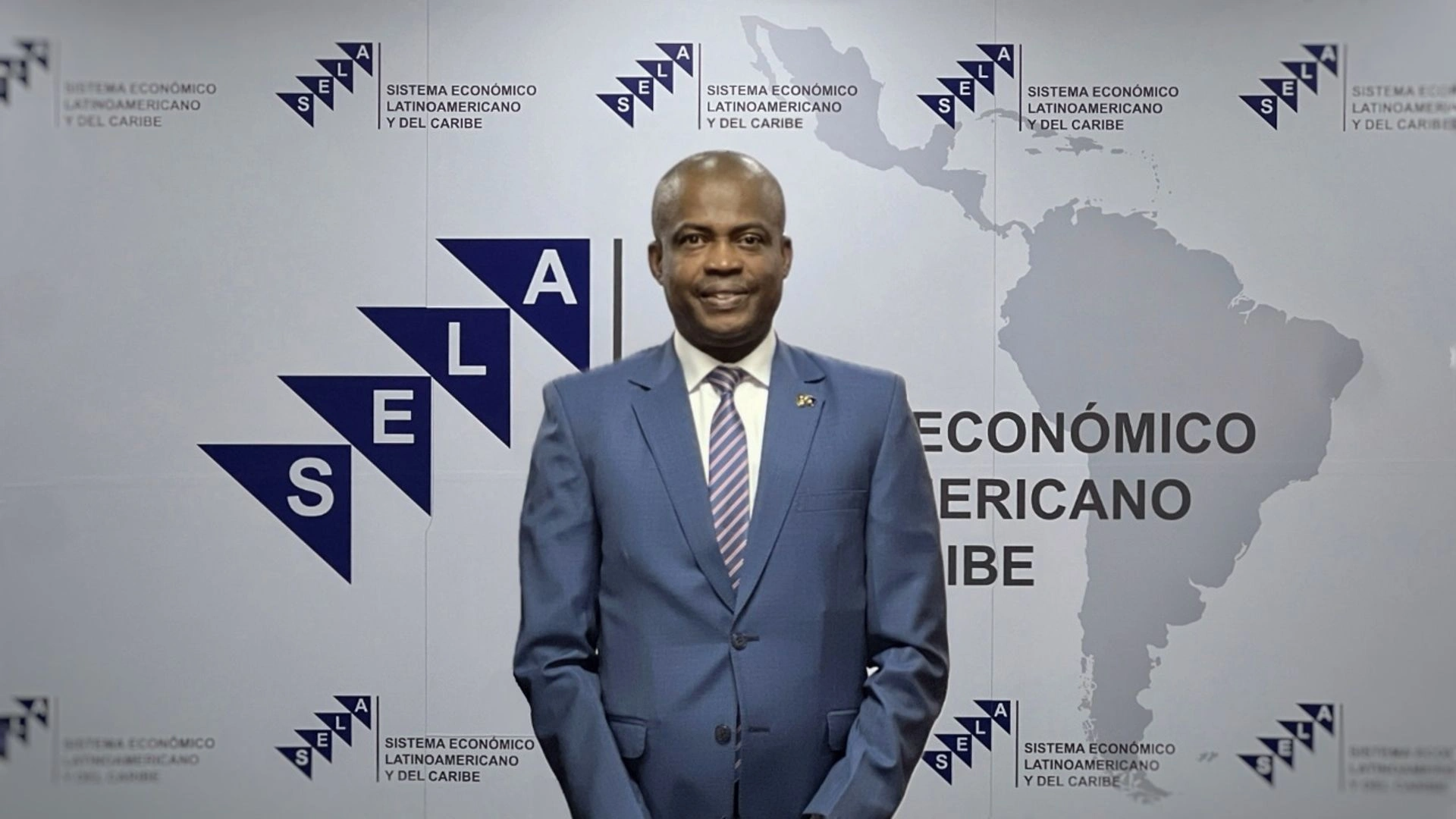
Ambassador Lesly David
Permanent Secretary
Latin American and Caribbean Economic System (SELA)
Ambassador Lesly David holds a bachelor’s degree in international law and a specialisation in Caribbean regional integration from the Universidad de Oriente in Santiago de Cuba.
He has an extensive diplomatic career that includes his work as Ambassador Extraordinary and Plenipotentiary of the Republic of Haiti to the Republic of Colombia and Concurrent Ambassador to the Republic of Ecuador; as well as Ambassador of the Republic of Haiti to the Bolivarian Republic of Venezuela between 2012 and 2024.
His consular career includes a period at the Haitian Consulate in Miami, where he was responsible for cultural, tourism and institutional liaison matters. In addition, he worked as a consultant in public relations and special programmes related to Haitian migrants in Latin America.
Ambassador Lesly David was elected by acclamation as the 13th Permanent Secretary of SELA, within the framework of the XVIII Special Meeting of the Latin American Council of the organisation, held on 16 June this year, for a four-year term from 2025 to 2029.
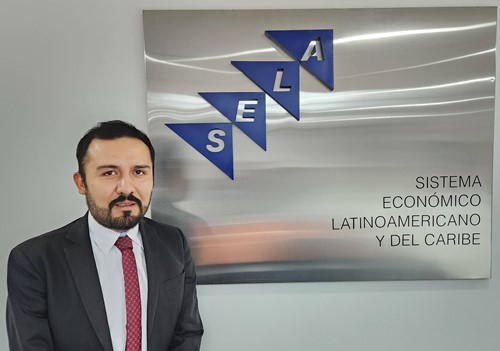
Gustavo Herrera
Social Development Coordinator
Latin American and Caribbean Economic System (SELA)
Gustavo Herrera, a Mexican international relations specialist, has over fifteen years’ professional experience in the fields of diplomacy and project management, with a focus on international cooperation and addressing regional challenges. He holds a Master’s degree in Latin American Studies from the National Autonomous University of Mexico (UNAM).
Throughout his career, he has coordinated initiatives aimed at addressing regional issues, strengthening cooperation among Latin American and Caribbean countries, and promoting the inclusion of priority issues on the international agenda within regional forums for dialogue and consultation.
As SELA’s Coordinator, he promotes and coordinates regional cooperation initiatives in the areas of sustainable development, human mobility and comprehensive disaster risk management, thus contributing to the alignment of efforts and the development of comprehensive responses to the shared challenges facing Latin America and the Caribbean.























 SELA