 Events
Virtual Workshop: Regional cooperation to improve plant health: sanitary and phytosanitary measures for environmental sustainability
Events
Virtual Workshop: Regional cooperation to improve plant health: sanitary and phytosanitary measures for environmental sustainability


As part of the Work Programme of the Latin American and Caribbean Economic System (SELA) for 2026, and as a continuation of the strategic line of action on regional food sustainability, the Virtual Workshop: “Regional cooperation to improve plant health: sanitary and phytosanitary measures for environmental sustainability” will be held. This initiative directly addresses the urgent need to strengthen food security in SELA member states in the face of structural challenges exacerbated by climate change, the degradation of productive ecosystems and biological pressure from emerging pests (FAO, 2024).[1]
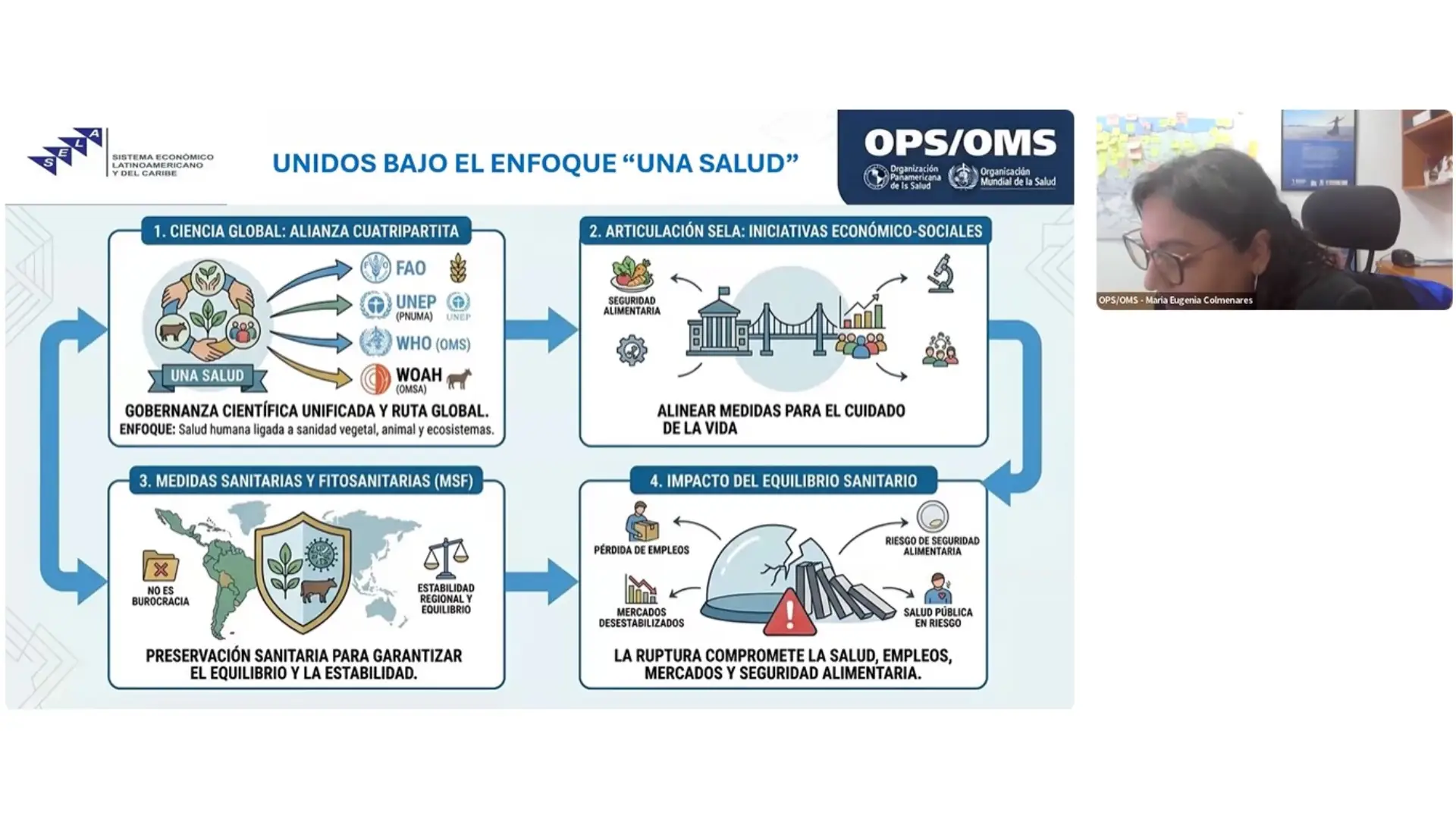
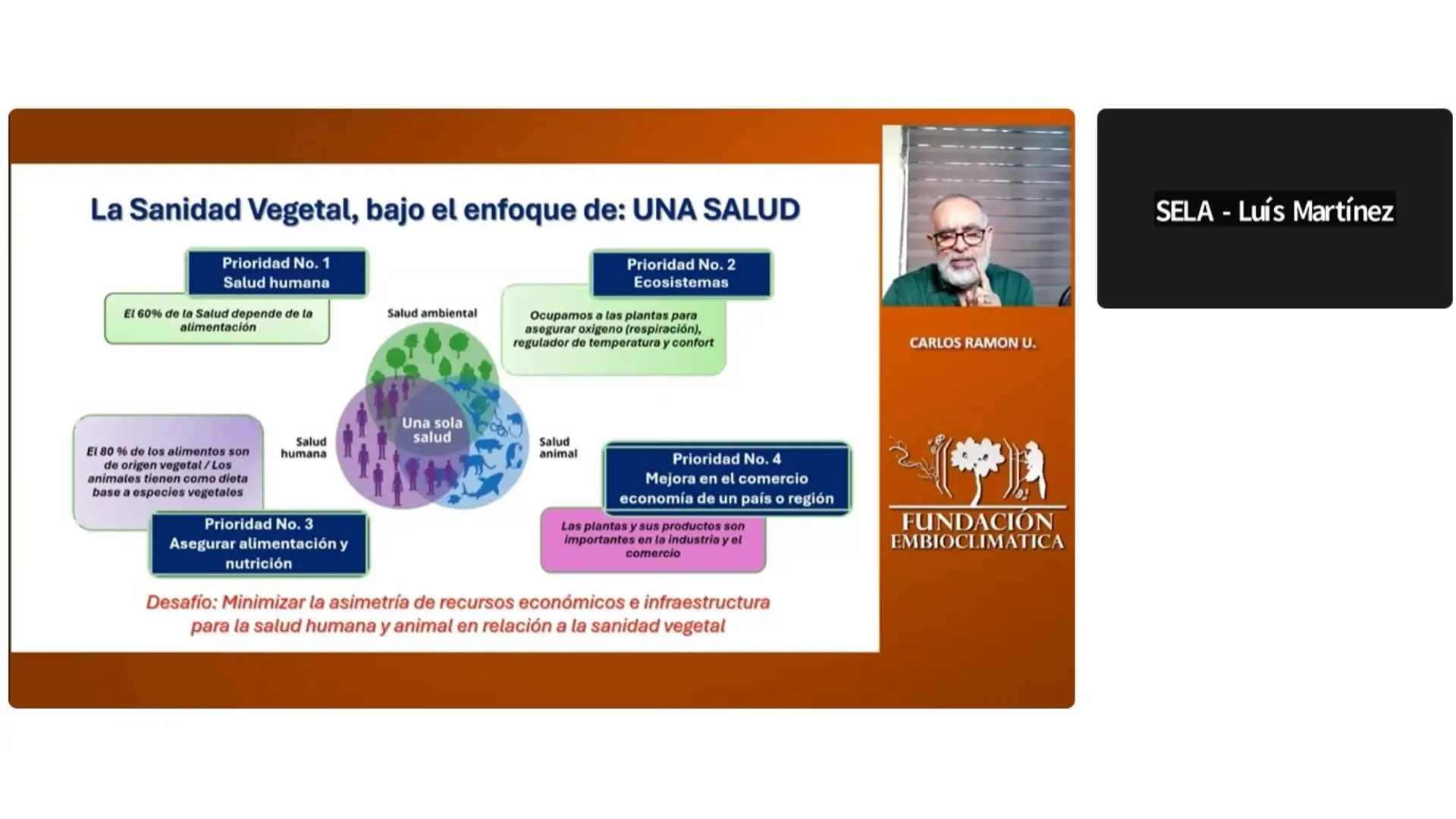
According to the guidelines of the United Nations Food and Agriculture Organisation (FAO, 2025),[2] plant health forms the fundamental basis of life and global food security. Its contemporary approach lies at the heart of the comprehensive “One Health” approach, a cross-cutting governance framework jointly promoted by the FAO and the Pan American Health Organisation (PAHO). This approach unequivocally recognises the vital and interdependent links between human health, animal health, plant health and the preservation of environmental balances. Sanitary and Phytosanitary Measures (SPS measures), under this logic, cease to be mere barriers or technical requirements for trade and instead become multisectoral tools aimed at mitigating the risks arising from the cross-border transport of pathogens, reducing populations’ exposure to chemical contaminants and ensuring long-term productive resilience (ECLAC, 2025).[3]
At the macroeconomic level, Latin America and the Caribbean (LAC) is establishing itself as one of the world’s most dynamic agro-exporting regions, where the agricultural sector accounts, on average, for around 7% of regional Gross Domestic Product (GDP). However, this picture reveals marked structural heterogeneity: whilst in more diversified economies such as Mexico or Chile the sector’s contribution stands at under 4% of GDP, in certain member states of Central America and the Caribbean it exceeds 15%, reaching levels of up to 20% in economies with a strong agricultural base such as Paraguay. Furthermore, the sector accounts for approximately 15% of total regional employment, acting as the main socio-economic driver in rural areas.
Consequently, safeguarding plant health through coordinated cooperation systems is essential to guarantee economic stability, mitigate epidemiological risks to human health and ensure compliance with the Sustainable Development Goals (SDGs) of the 2030 Agenda, directly contributing to SDG 2 (Zero Hunger), SDG 12 (Responsible Consumption and Production), SDG 13 (Climate Action), SDG 15 (Life on Land) and SDG 17 (Partnerships for the Goals).
[1] United Nations Food and Agriculture Organisation (FAO). (2024). El estado mundial de la agricultura y la alimentación 2024: Mitigación de riesgos biológicos y resiliencia en los sistemas agroalimentarios. Rome: FAO.
[2] United Nations Food and Agriculture Organisation (FAO). (2025). La sanidad vegetal en el centro del enfoque integrador “Una Salud”. Rome: FAO.
[3] Economic Commission for Latin America and the Caribbean (ECLAC). (2025). Perspectivas de la agricultura y del desarrollo rural en las Américas: Una mirada hacia la sostenibilidad ambiental y la resiliencia fitosanitaria frente al cambio climático. Santiago, Chile: United Nations.
The plant health sector in Latin America and the Caribbean faces critical challenges arising from the convergence of interconnected global markets, the cross-cutting effects of climate change and the intensification of cross-border trade flows, which have accelerated the spread of emerging pests and diseases that directly threaten the stability of regional agri-food systems (FAO, 2025). [1]
Although the region acts as a cornerstone of global food security, national responses to plant disease outbreaks remain fragmented due to profound technical and financial disparities (ECLAC, 2025).[2] This heterogeneity is reflected in the pace of adoption of advanced technologies for ecosystem monitoring: whilst the leading countries in the region are embracing cutting-edge precision agriculture, smaller economies (particularly in Central America and the Caribbean) face structural barriers in terms of laboratory infrastructure, epidemiological surveillance and technical capabilities for border inspections.
By contrast, the agrotechnology market in Latin America was worth USD 2.6 billion in 2025. Looking ahead, the IMARC Group expects the market to reach USD 10.9 billion by 2034, with a compound annual growth rate (CAGR) of 16.90% over the period 2026–2034.[3] This analytical gap between multilateral organisations and the private sector highlights the urgent need to harmonise public measurement criteria, regulate biosafety standards in line with public health approaches, and prevent the technological divide from exacerbating agricultural production inequalities among member states.
This need to harmonise measurement criteria and bridge the technological gap is essential for strengthening regional governance. In this context, the Sanitary and Phytosanitary Measures currently in force in LAC combine traditional trade regulations with emerging operational strategies for environmental sustainability and community health. Regional phytosanitary governance bodies, such as the International Regional Organisation for Agricultural Health (OIRSA), in coordination with national ministries of agriculture, have promoted the transition from a purely reactive approach towards preventive models based on Integrated Pest Management (IPM) and the systematic reduction of highly hazardous synthetic chemical pesticides—an effort strongly supported by the PAHO to prevent the poisoning of rural workers and the contamination of locally consumed food.
Currently, the MSFs in place focus on three key areas, in line with the technical action frameworks defined by the International Plant Protection Convention (IPPC/FAO, 2025)[4]:
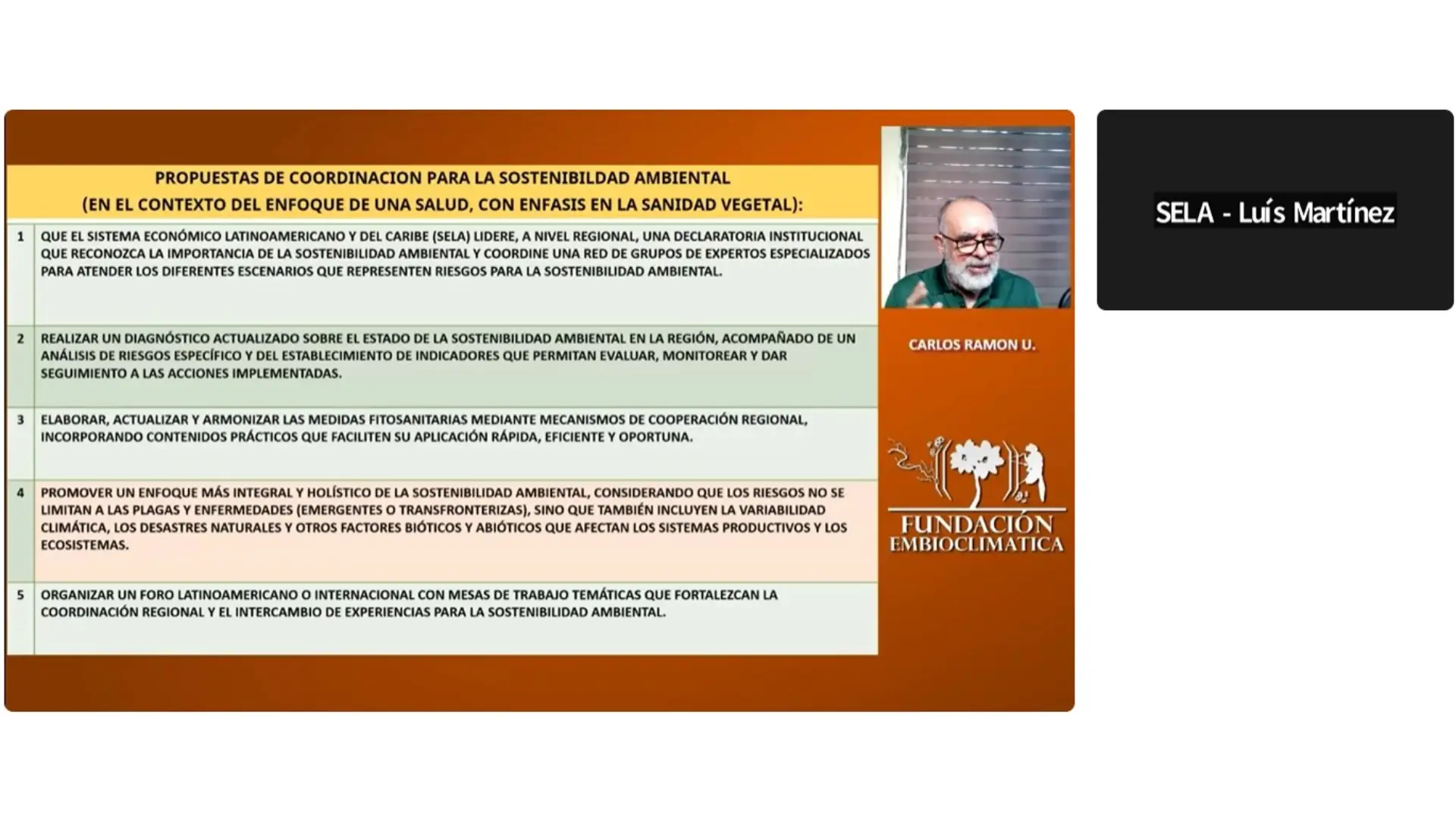
In light of this context and the ongoing changes brought about by technological advances, it is proposed that this virtual workshop be held. It is designed to function as a technical catalyst to refine and harmonise the public agricultural policies of each Member State, directly linking SPS measures with national objectives for environmental sustainability and public health.
In the same vein, the workshop will provide the conceptual, epidemiological and methodological basis to enable the region’s ministries of agriculture, health and the environment to break down traditional institutional silos. This will facilitate the co-design of regulations that safeguard plant health, recognising the direct impact that an agricultural ecosystem free from harmful chemicals has on the prevention of human disease and planetary health.
[1] United Nations Food and Agriculture Organisation (FAO). (2025). La sanidad vegetal en el centro del enfoque integrador “Una Salud”. Rome: FAO.
[2] Economic Commission for Latin America and the Caribbean (ECLAC). (2025). Perspectivas de la agricultura y del desarrollo rural en las Américas: Una mirada hacia la sostenibilidad ambiental y la resiliencia fitosanitaria frente al cambio climático. Santiago, Chile: United Nations.
[3] IMARC Group. (2025). Latin America agritech market: Industry trends, share, size, growth, opportunity and forecast 2026-2034. [Informe de mercado].
[4] International Plant Protection Convention [IPPC]. (2025). Normas internacionales para medidas fitosanitarias: Directrices globales para la protección del patrimonio vegetal y la facilitación del comercio seguro. Rome: United Nations Food and Agriculture Organisation [FAO].
The aim is to promote a forum for technical dialogue and regional cooperation to strengthen national capacities in the field of plant health and Sanitary and Phytosanitary Measures (SPS), under the “One Health” approach and with a view to ensuring environmental sustainability and food security in the region; and to identify the main challenges and opportunities for the adoption and implementation of innovative technological tools and updated regulatory frameworks in the region.
At the same time, this initiative aims to contribute to the design and implementation of public policies that ensure coordinated progress in improving plant health, by promoting common standards and integrated actions across all countries.
Date: 28 July 2026
Target audience: Senior officials and directors from the fields of plant health, agricultural epidemiology and public health, as well as from the ministries of agriculture and sustainable development of SELA’s 23 member countries; delegates from the private agro-export sector, academic researchers and experts from international organisations.
Format: Virtual via Zoom, with synchronous interactive streaming via the institutional Zoom platforms and open broadcast on SELA’s official YouTube channel.
Language: Spanish, with simultaneous interpretation into English.
Permanent Secretariat of SELA:
Gustavo Herrera, Social Development Coordinator
Telephone: (58-212)-955-7111 / 955-7136
Email: gherrera@sela.org
Luis Emilio Martínez Mago, Social Development Analyst
Telephone: (58-212)-955-7111 / 955-7117
Email: lmartinezm@sela.org
|
Virtual Workshop: Regional cooperation to improve plant health: sanitary and phytosanitary measures for environmental sustainability 28 July 2026 |
|
| – | |
| 10:30 -10:40 | Opening remarks
|
| – | |
| 10:40-11:00 |
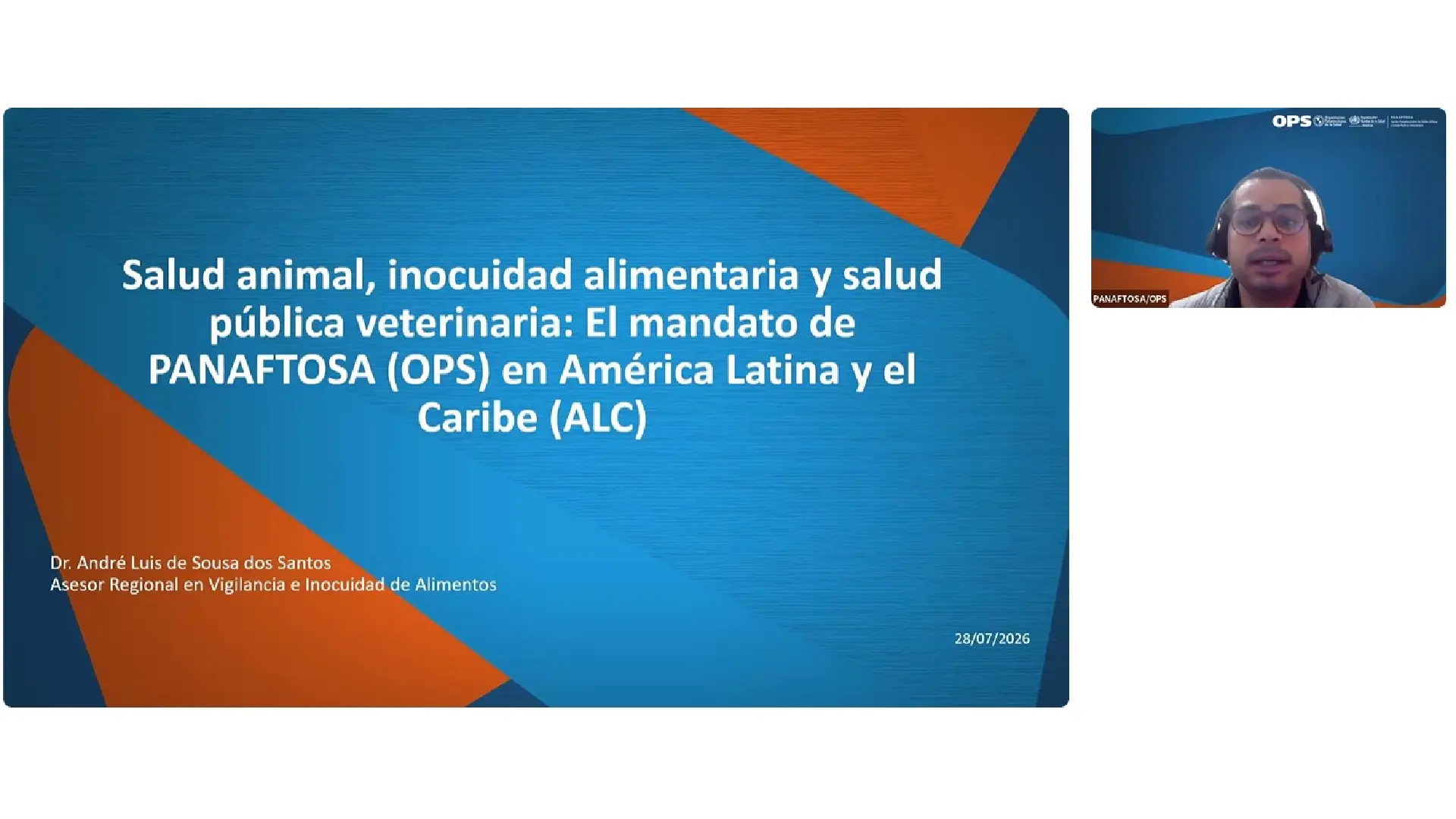
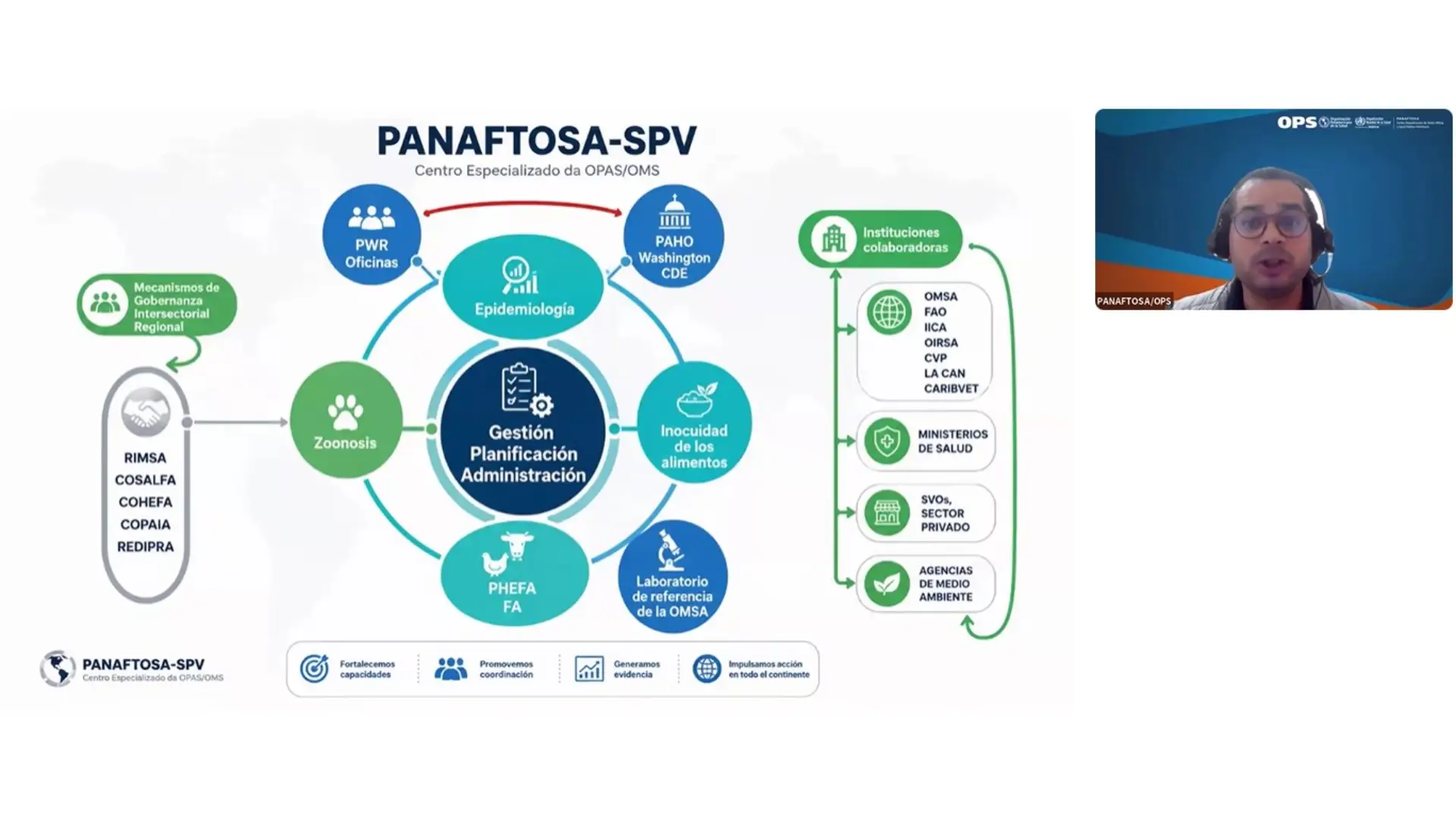
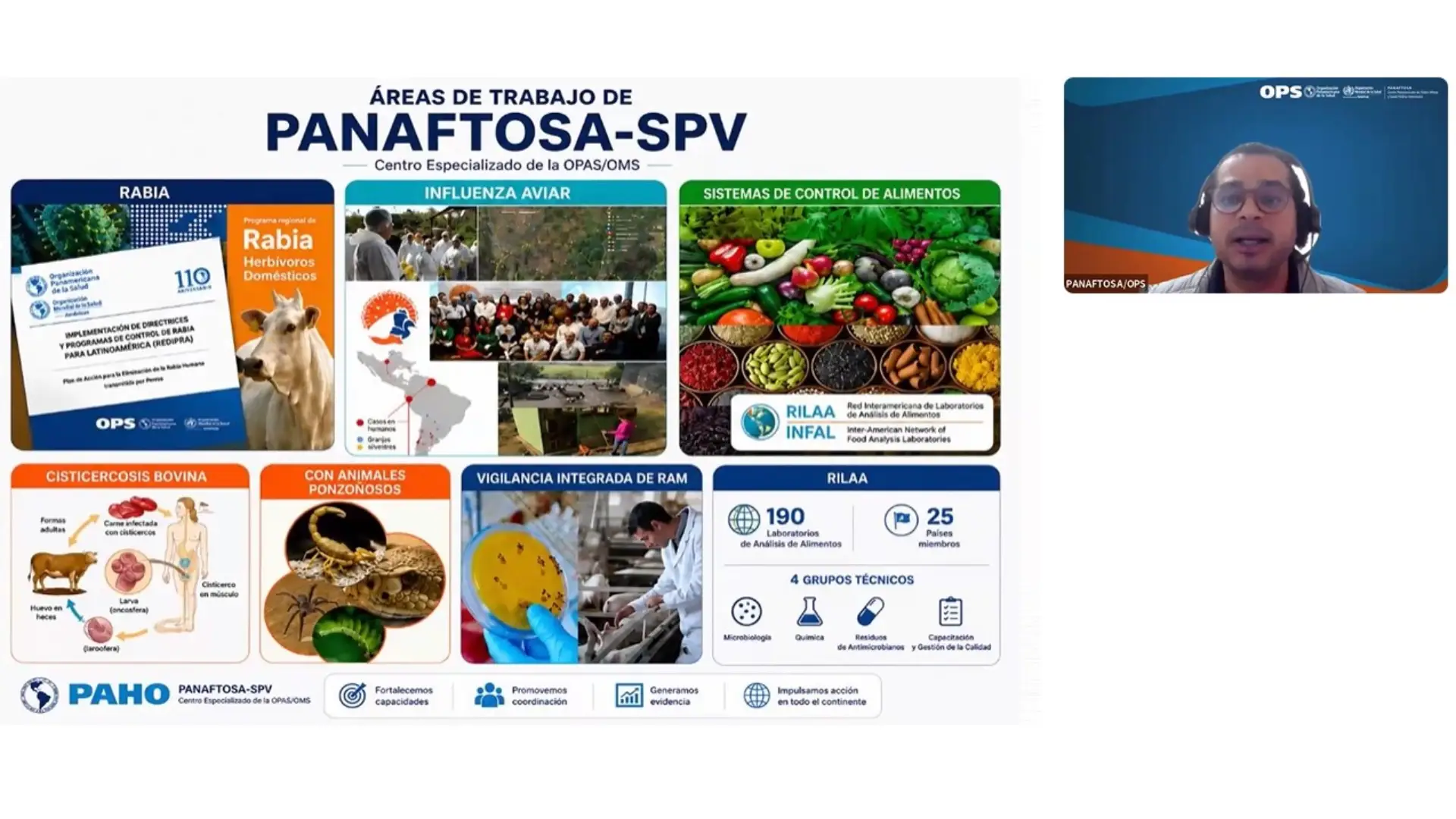
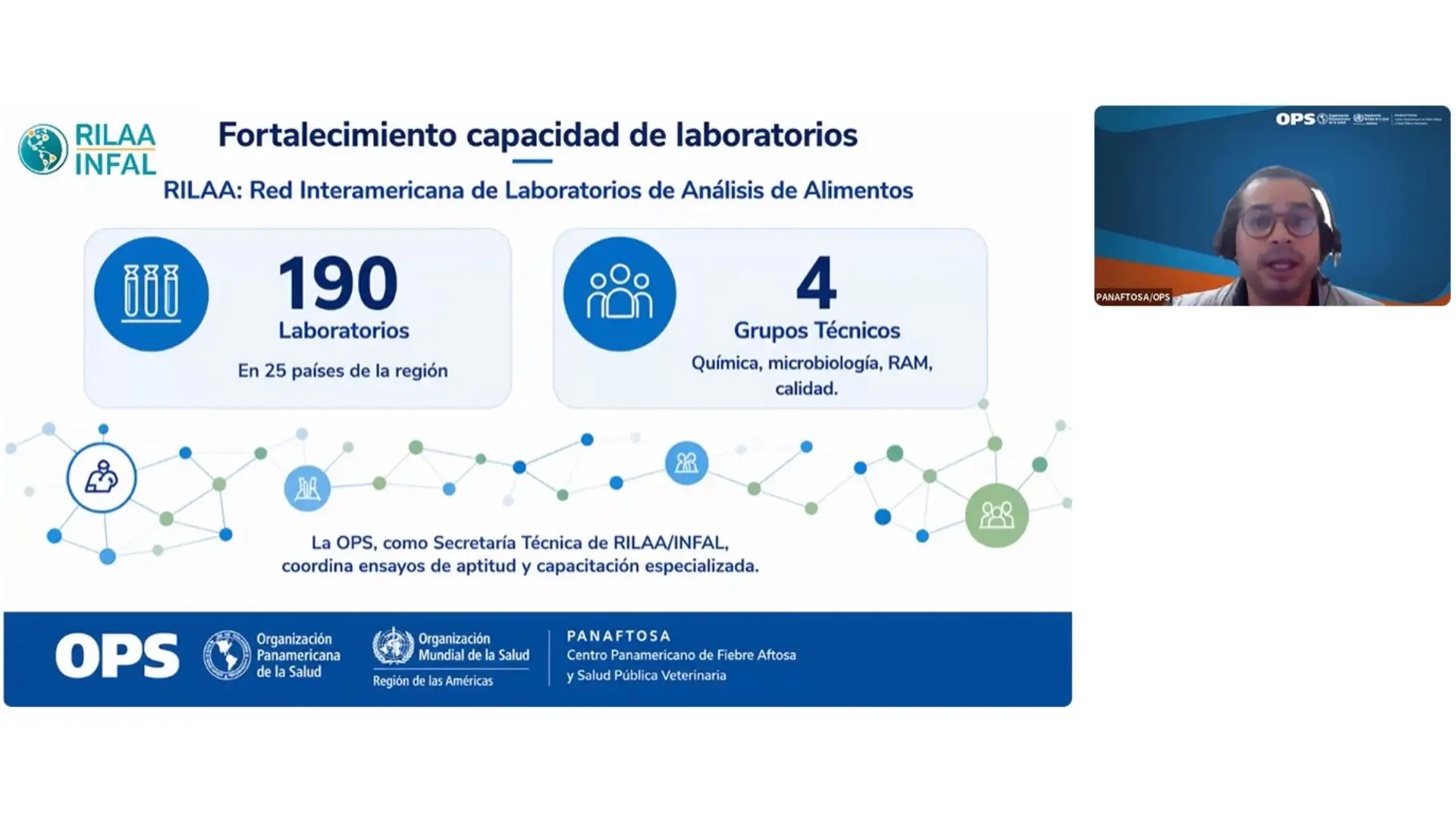
Panel I. “Animal health, food safety, and veterinary public health: The mandate of PANAFTOSA (PAHO) in Latin America and the Caribbean (LAC)”
|
| 11:00 -11:20 |
Panel II. . “Human Health and Its Role in Environmental Sustainability”
|
| 11:20 -11:30 | Q&A Session |
| – | |
| 11:30-11:50 |
Panel III. “Cross-border epidemiological surveillance and regional contingency plans: lessons learnt in the face of emerging pests”.
|
| 11:50 – 12:10 |
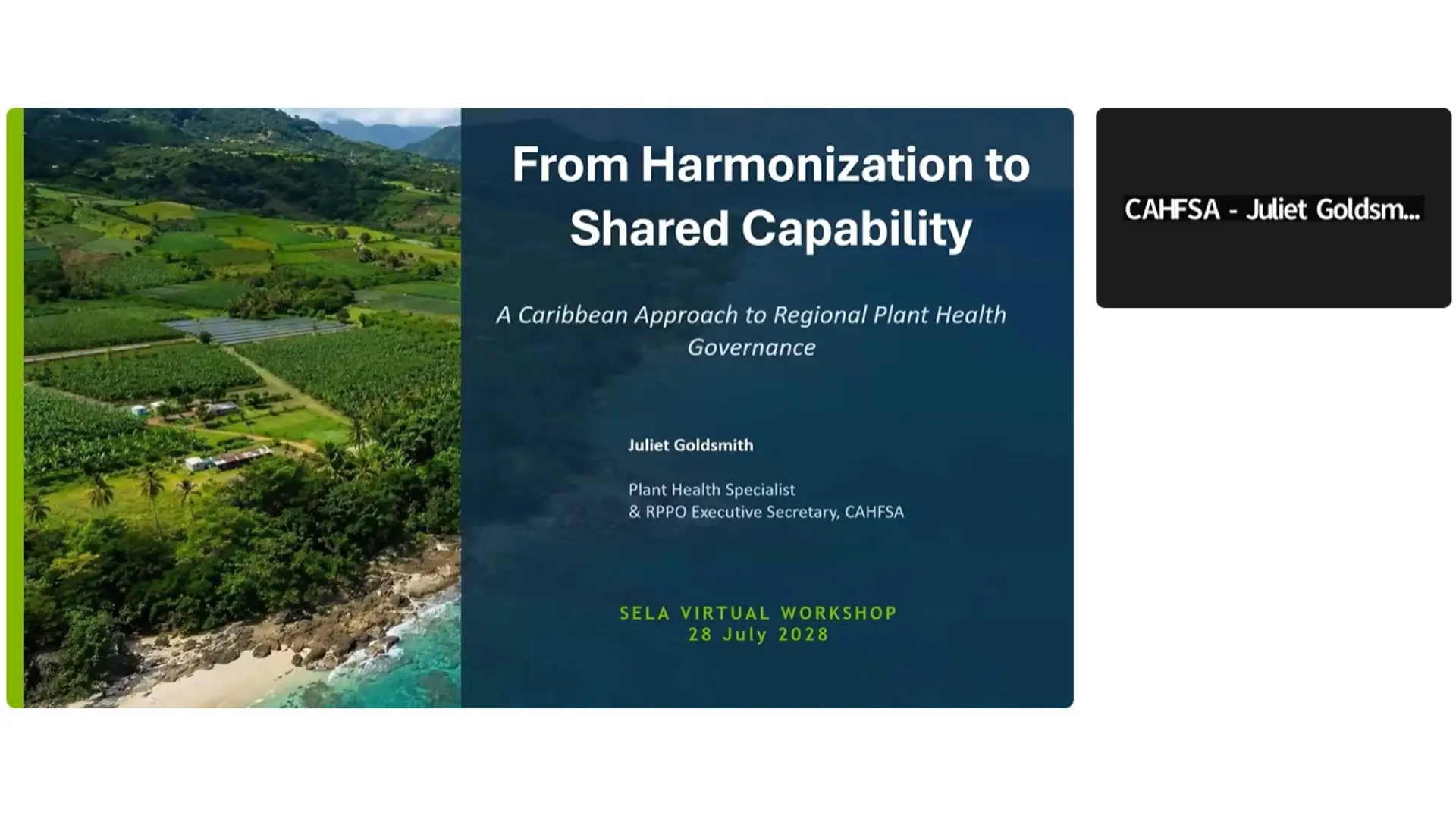
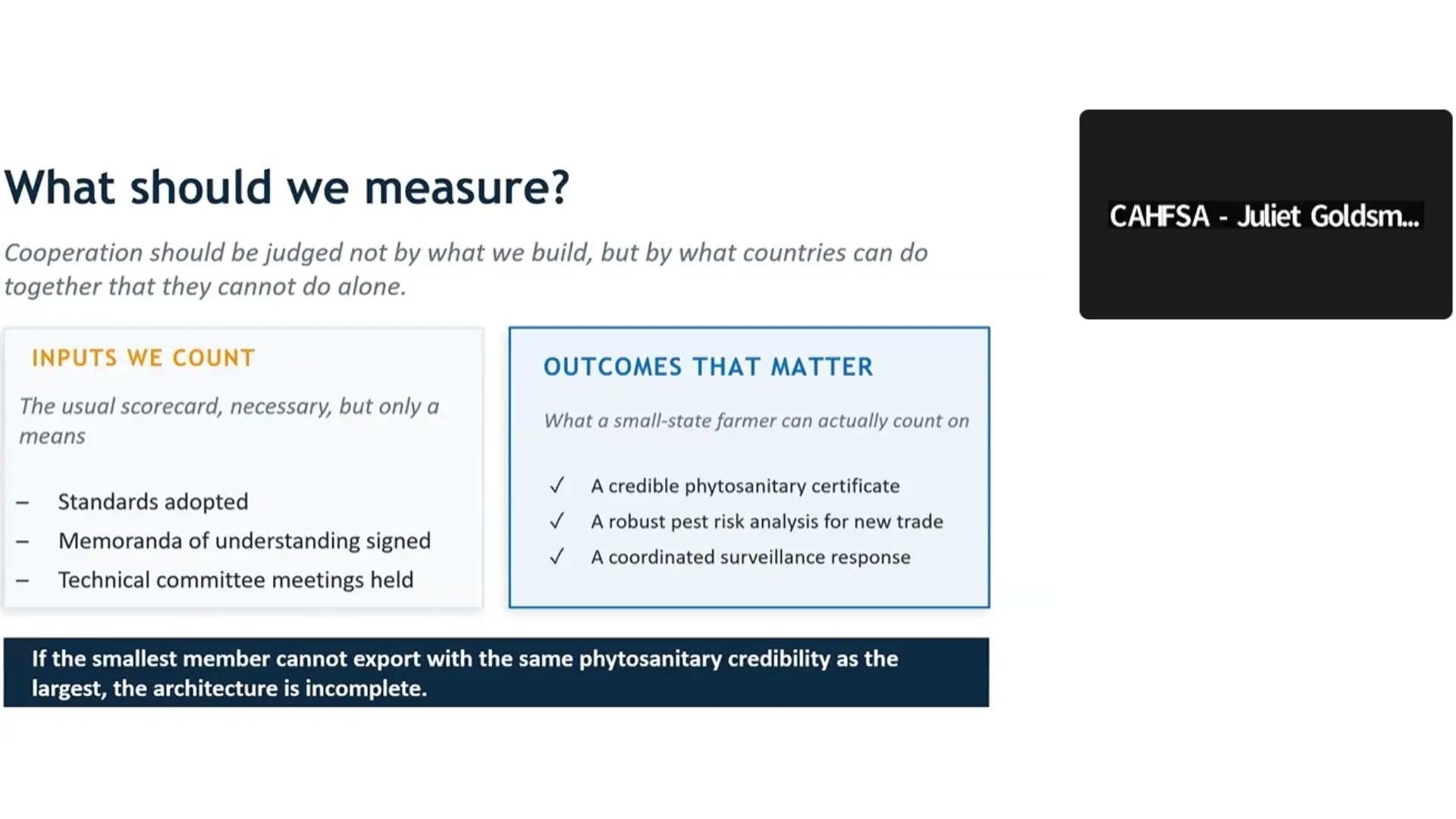
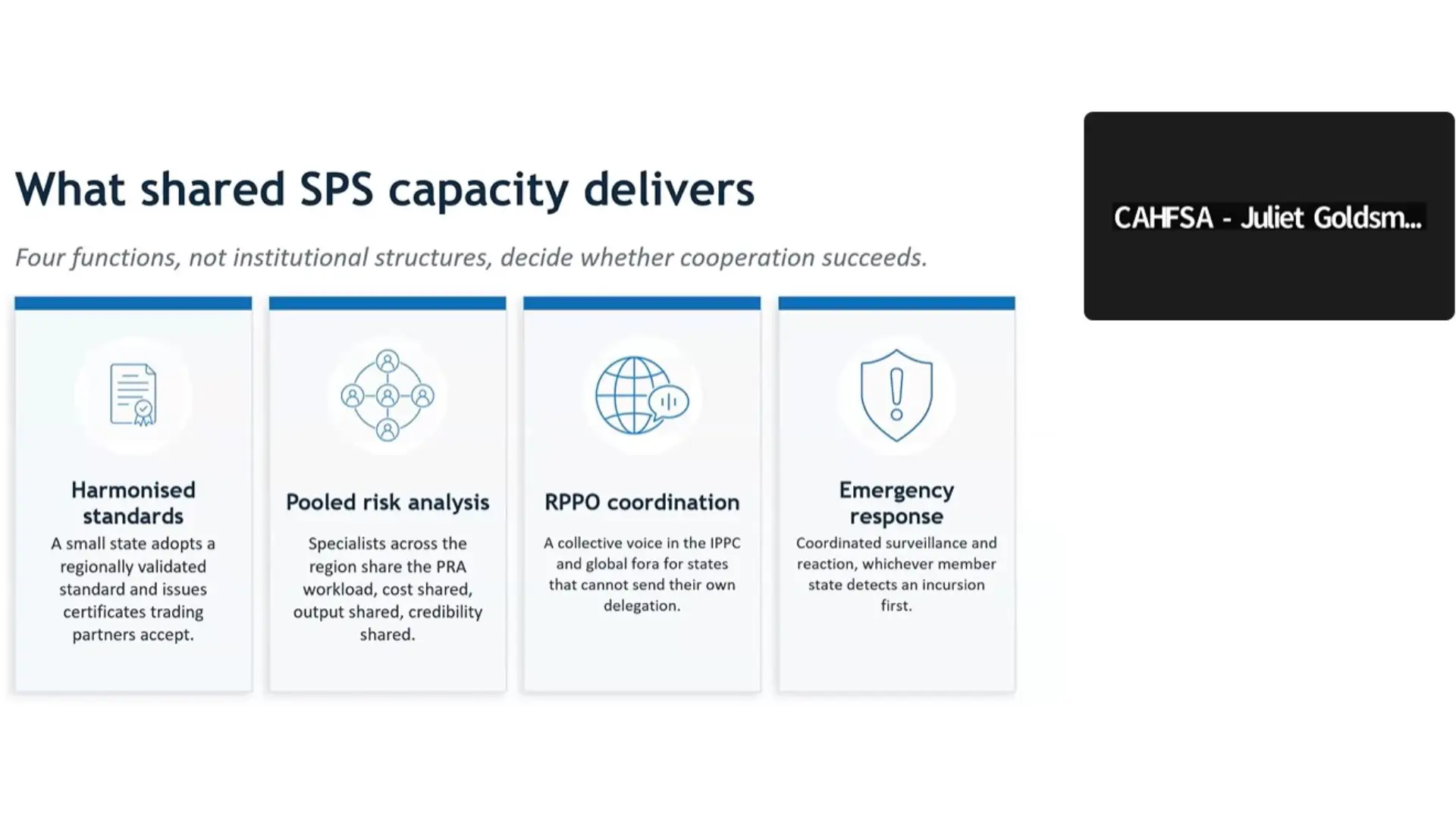
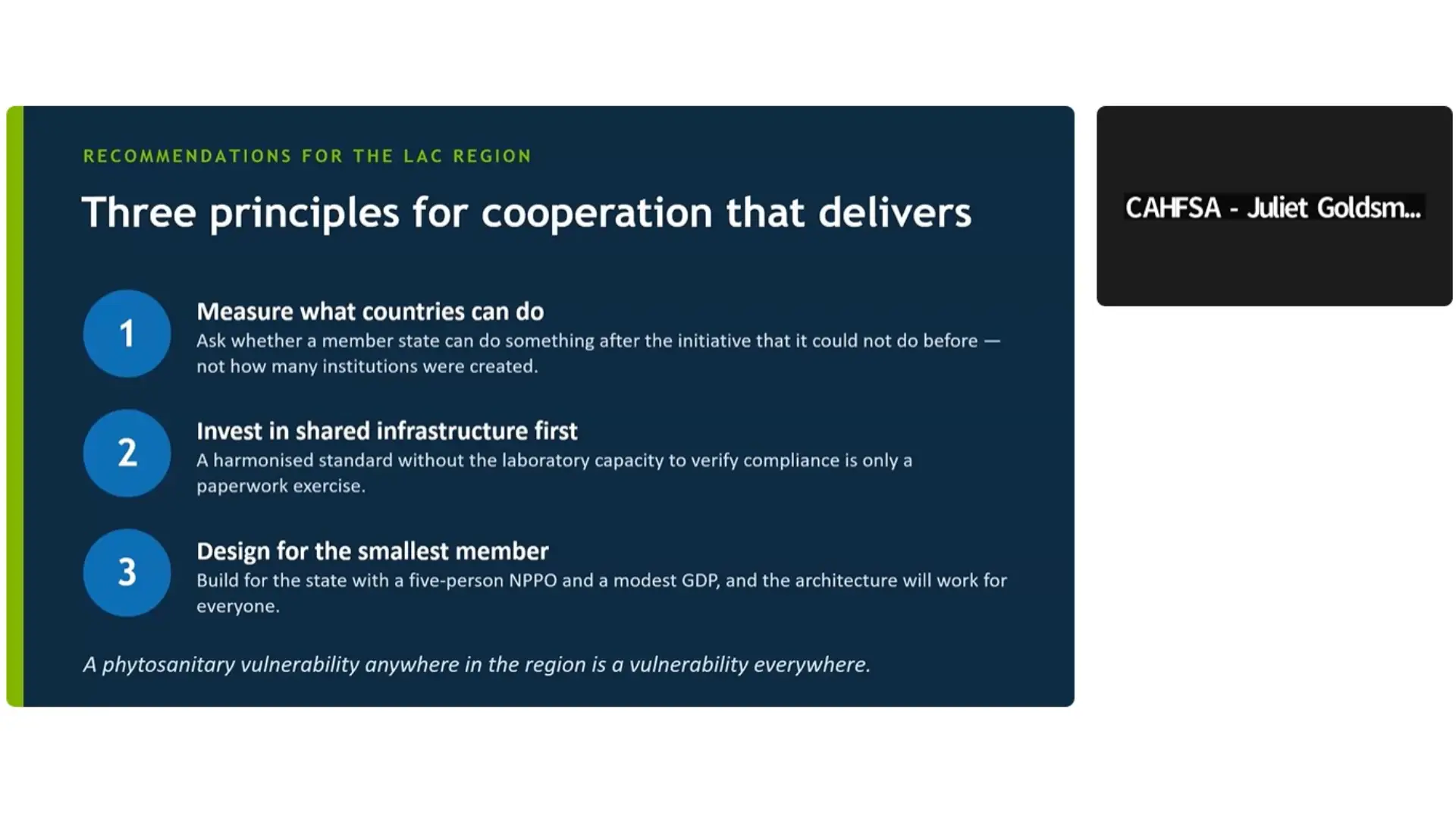
Panel IV. “From Harmonisation to Shared Capability: A Caribbean Approach to Regional Plant Health Governance
|
| – | |
| 12:10 – 12:30 |
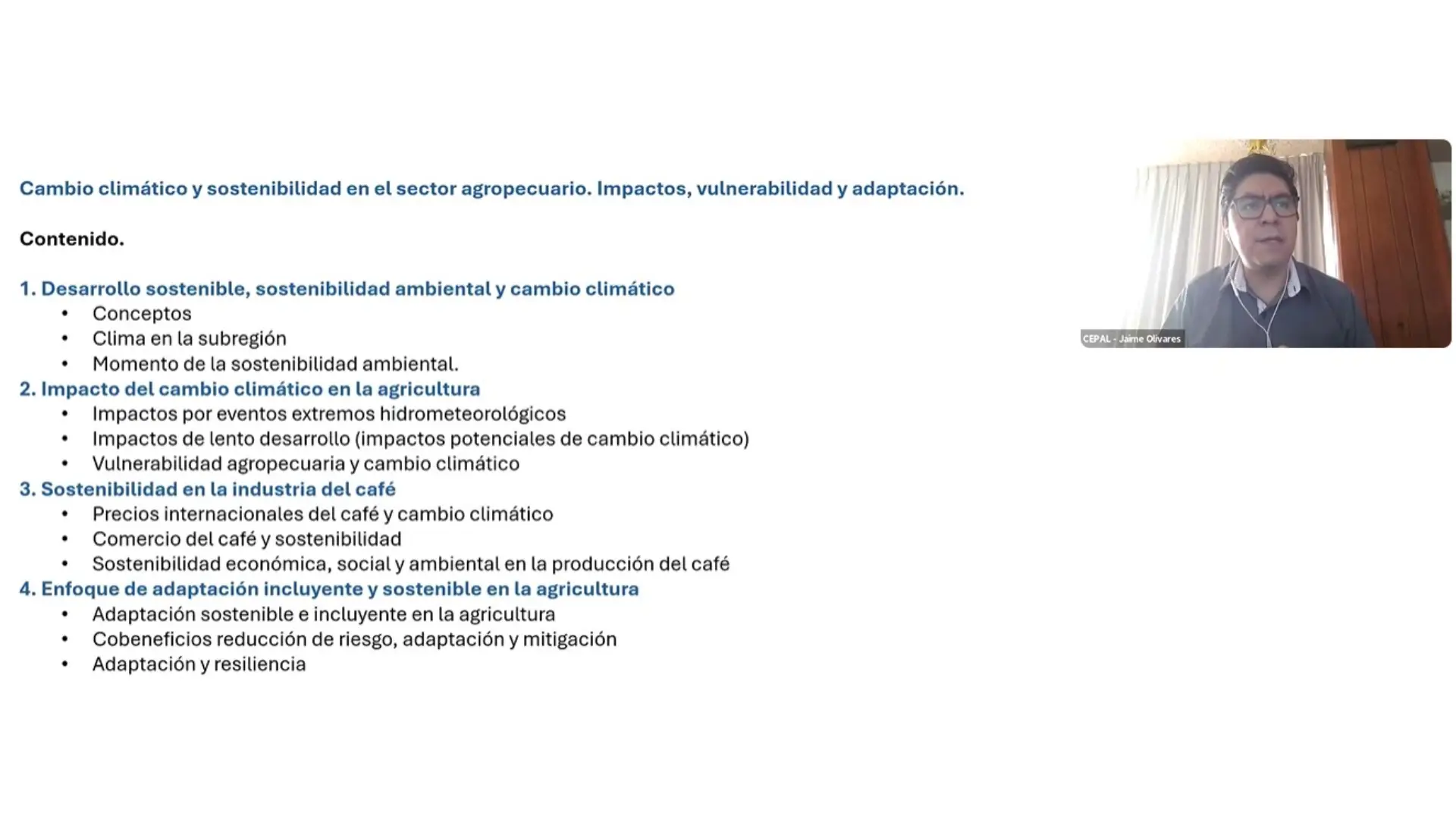
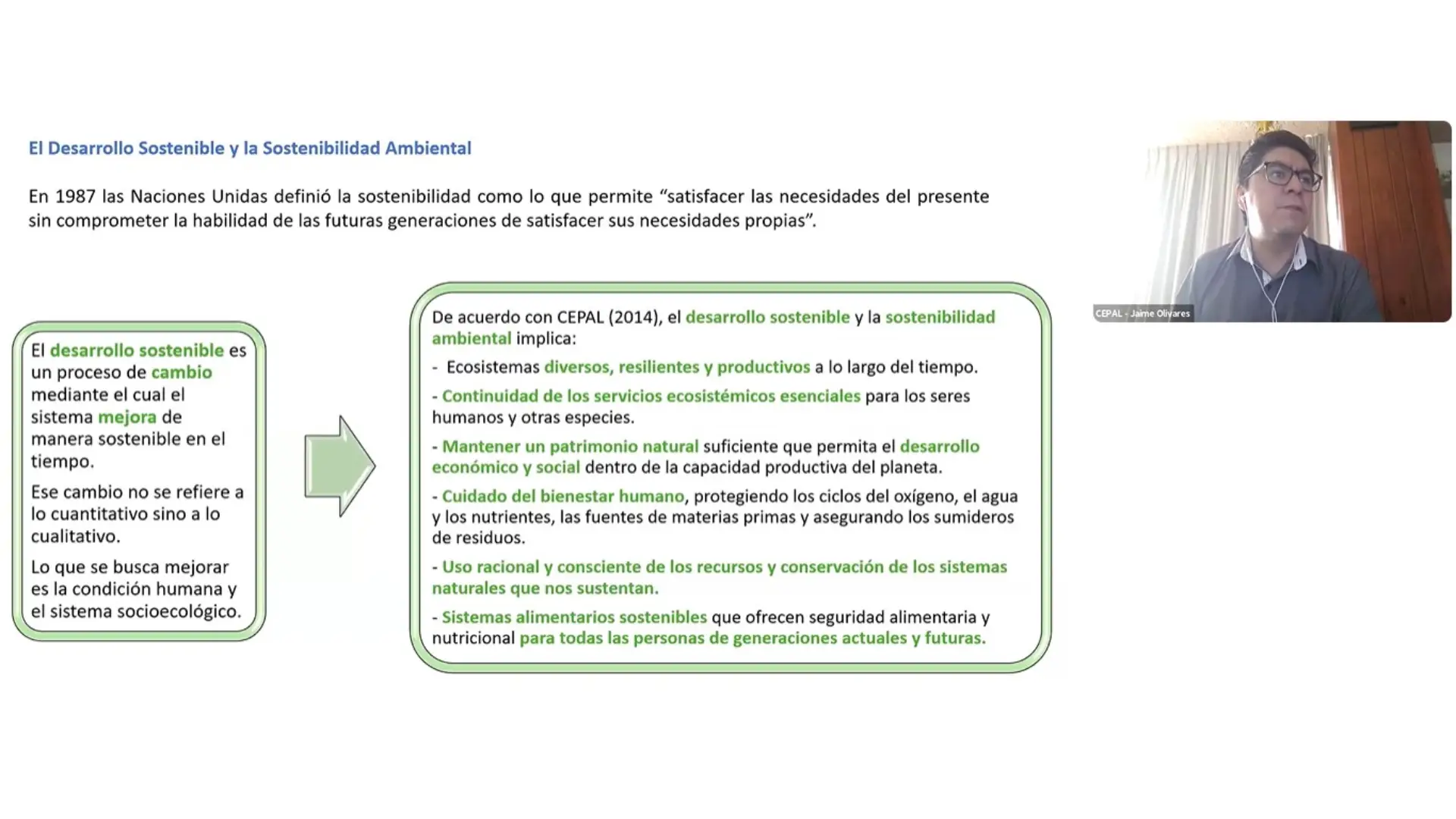
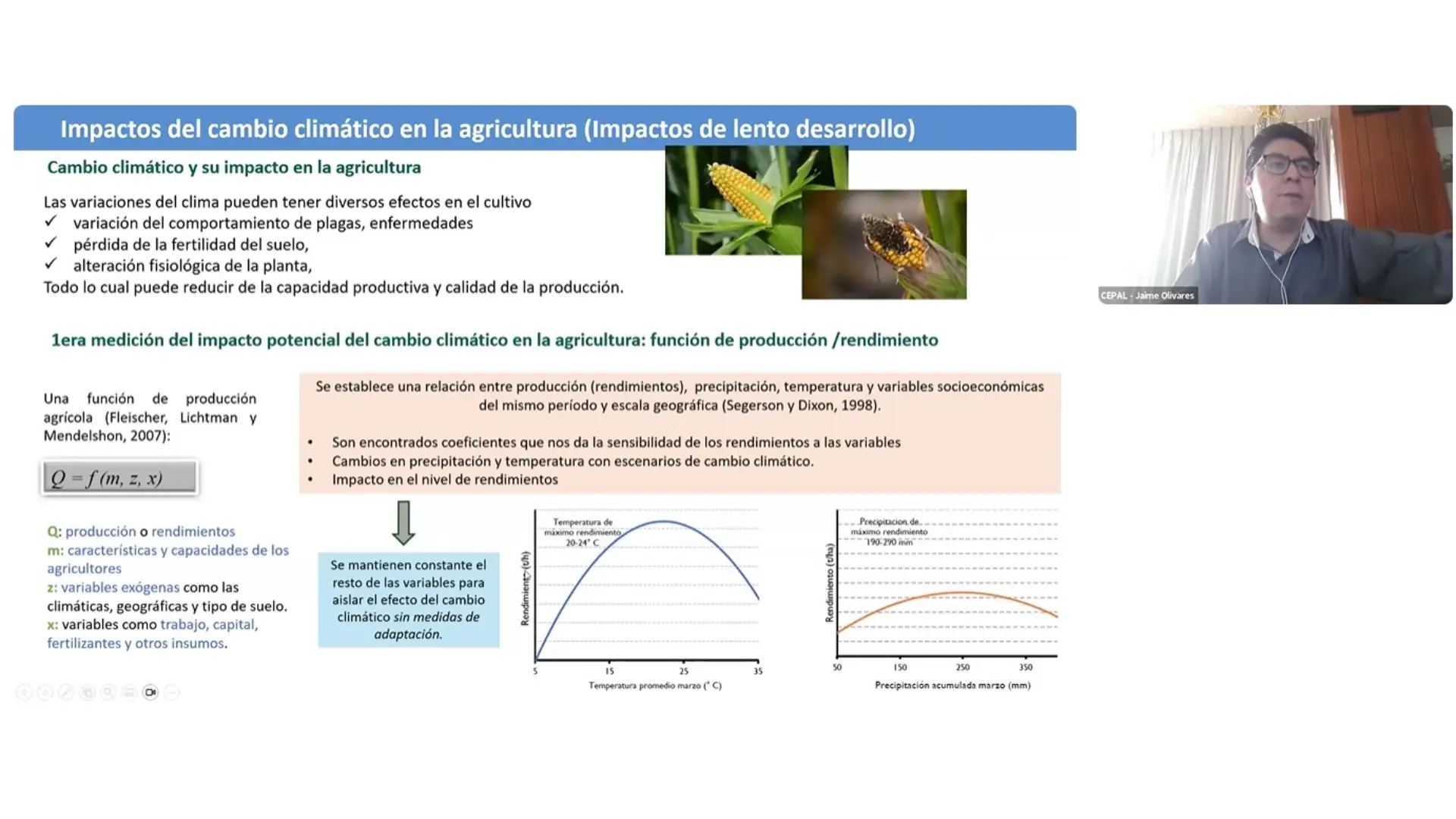
Panel V. “Climate change and sustainability in the agricultural sector. Impacts, vulnerability, and adaptation.”
|
| 12:30-12:40 | Q&A Session |
| – |
|
| 12:40-12:45 | Closing of the Workshop |
| – |
|
| Closing | |
 |
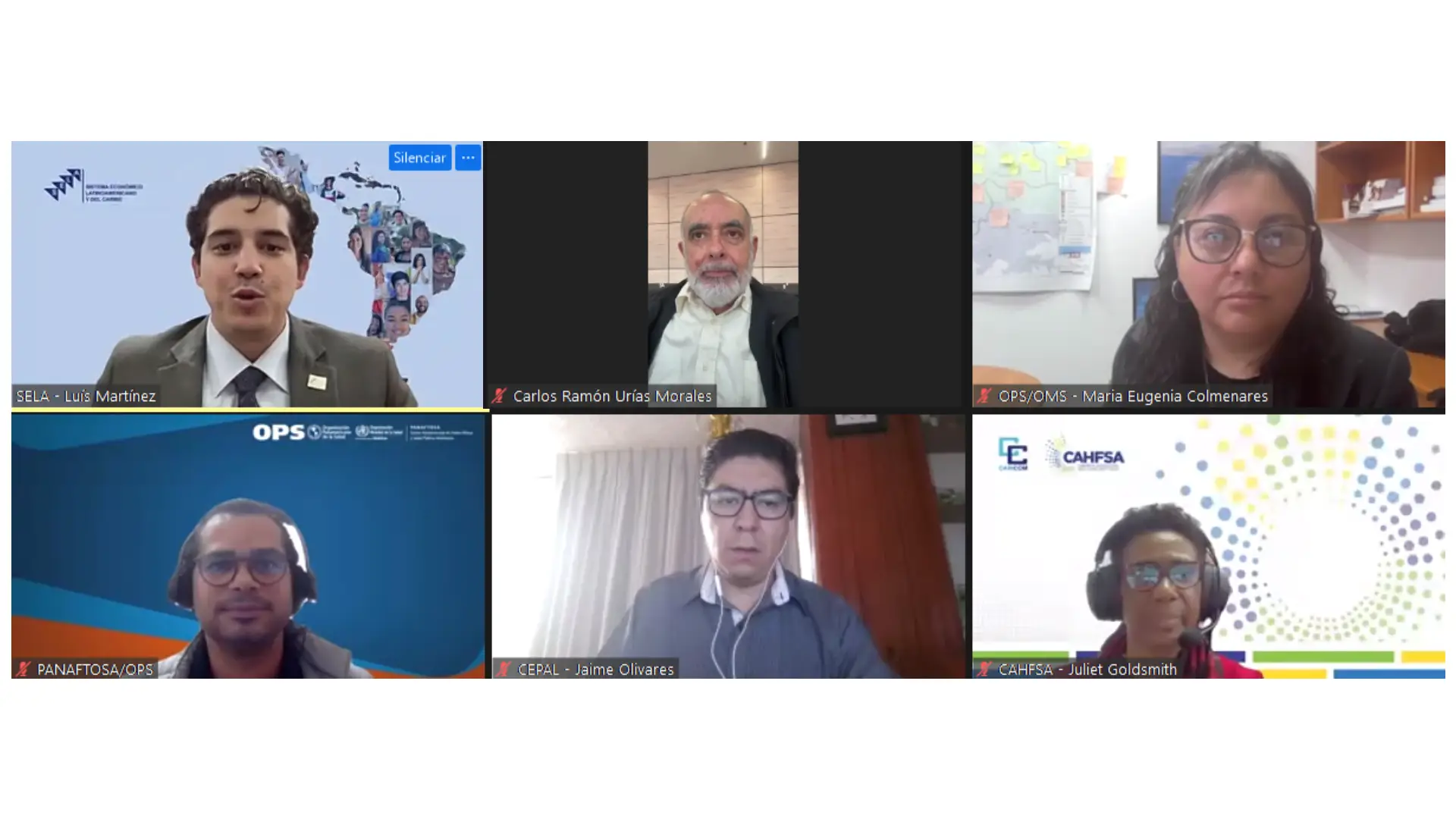
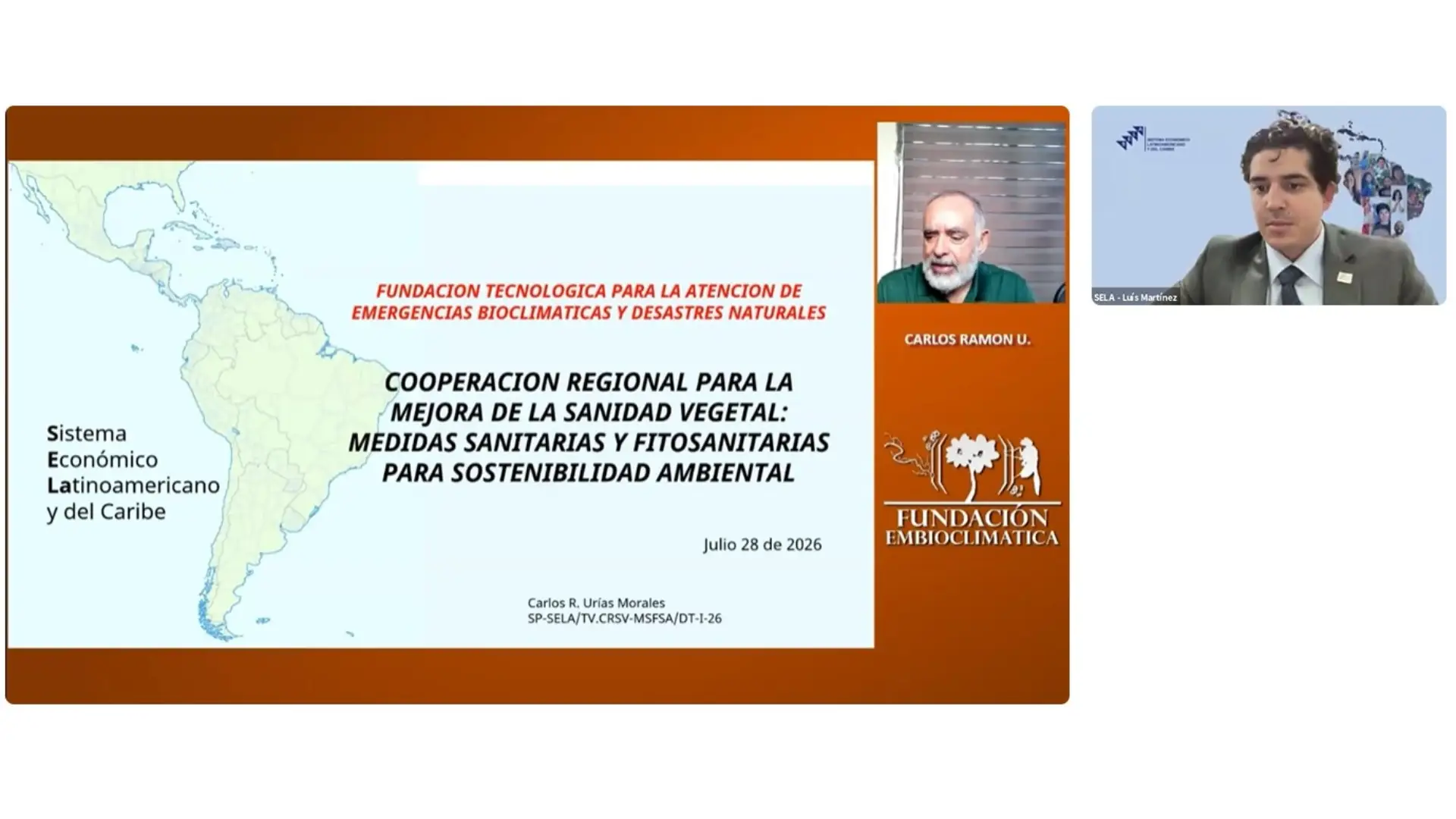
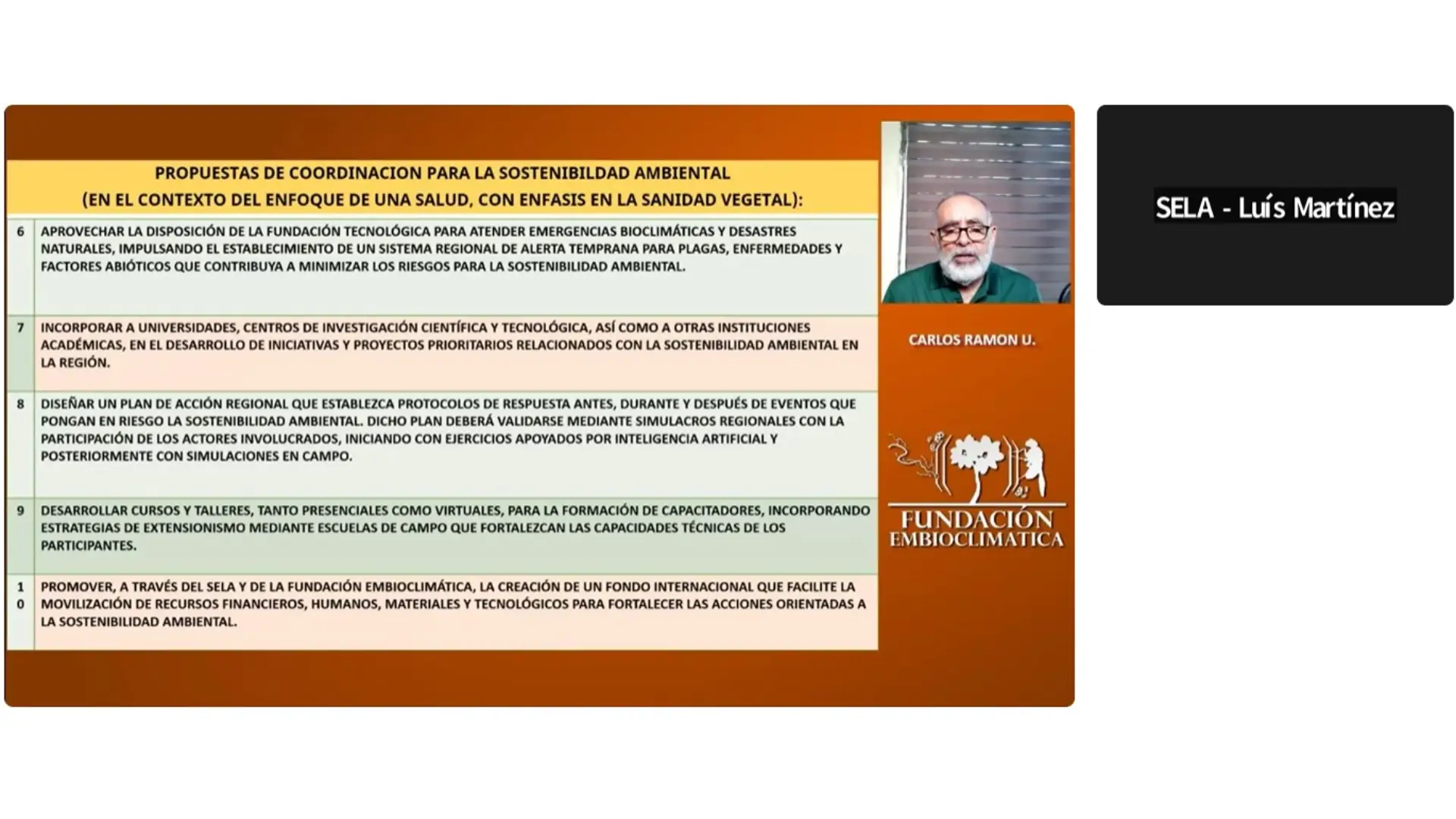
Carlos Ramón Urías Morales is an agricultural engineer specialising in agricultural parasitology from the Faculty of Agronomy at the Autonomous University of Sinaloa, with a postgraduate degree in phytopathology from the Colegio de Postgraduados de México. He has been a professor-researcher at the Autonomous University of Sinaloa (currently in the category of active retiree), an institution where he also served as general director of the Higher School of Agriculture and sub-director of the Department of Research and Postgraduate Studies. His professional career includes work at the Sinaloa Technological Foundation and in integrated pest management projects with the Elota-Ecorregión Foundation. Furthermore, he has held the position of technical manager, amongst various positions, at the State Plant Health Committee of the State of Sinaloa, Mexico. In the international sphere, he served as a representative of the International Regional Organisation for Plant and Animal Health (OIRSA) in Honduras and as regional director of Plant Health of said institution. In addition to practising as a private consultant on plant health issues for various crops, he is currently the head of the Technological Foundation for Bioclimatic Emergencies and Natural Disasters |
|
| . | ||
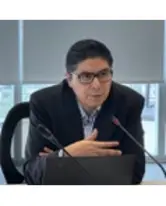 |
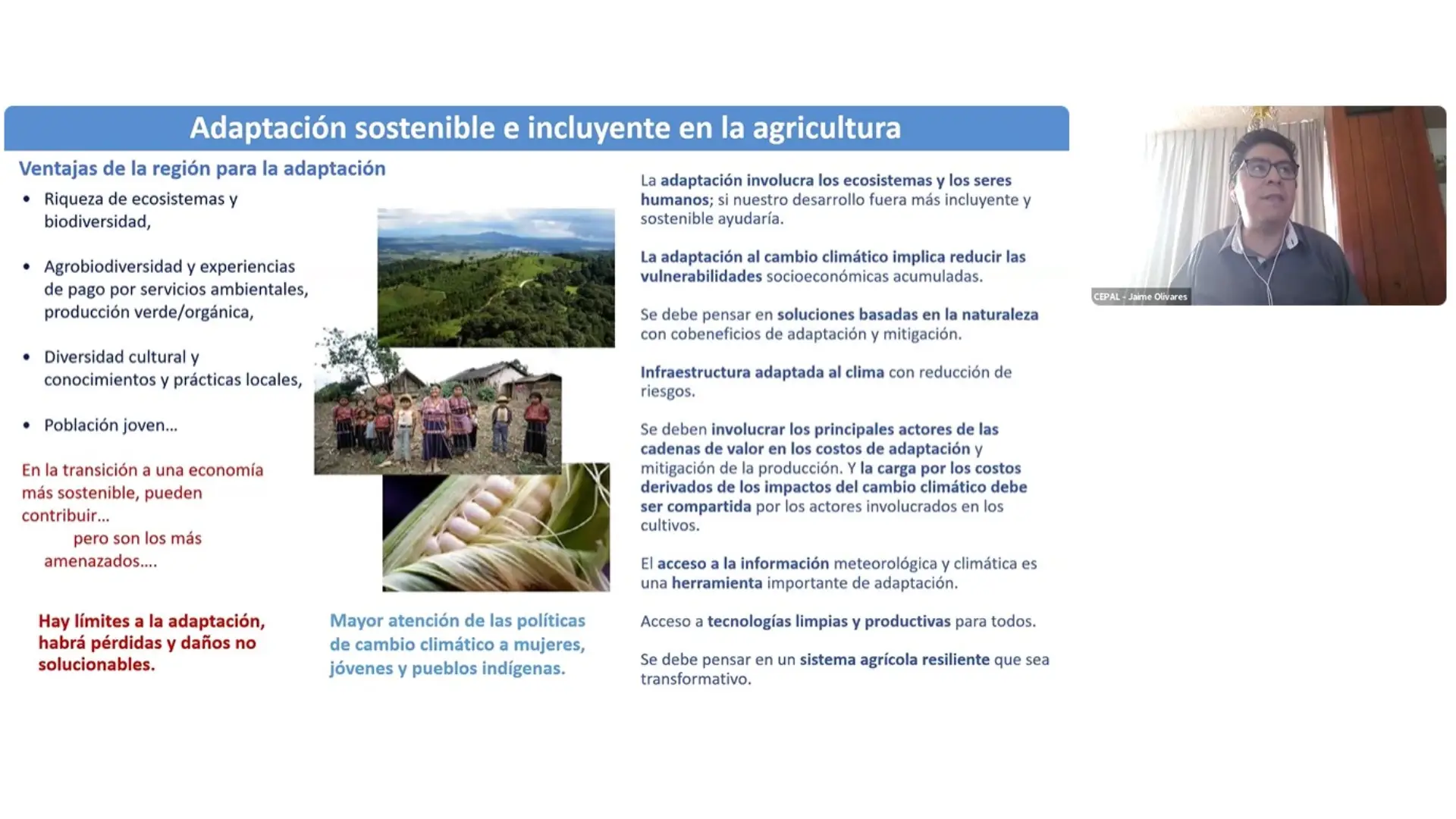
Jaime Olivares, Officer of the Sustainable Development and Natural Resources Unit of the sub-regional headquarters of the Economic Commission for Latin America and the Caribbean (ECLAC) in Mexico. He is an economist from the National Autonomous University of Mexico with a master’s degree in economics from El Colegio de México. Since 2009, he has worked at ECLAC in the Economic Development Unit and the Agricultural Development and Climate Change Unit. He has specialised and has been the author of documents on impacts, adaptation and mitigation of climate change in the agricultural sector and food security, in water resources, in energy, in the use of climatic data, in public investment, in ecosystems and in health |
|
| . | ||
 |
Juliet Goldsmith, is the Plant Health Specialist at the Caribbean Agricultural Health Caribbean. She has over 25 years of experience in plant protection, phytosanitary regulation, and agricultural trade.
In her role at CAHFSA, she supports Member Countries in strengthening sanitary and phytosanitary systems, advancing regional coordination, and maintaining market access through the effective implementation of the International Standards for Phytosanitary Measures (ISPMs). Previously, she managed Jamaica’s Pest Risk Analysis Unit, leading pest risk assessments and market access initiatives. She has contributed to the development of international phytosanitary standards through the IPPC Technical Panel on Diagnostic Protocols and Expert Working Groups and has served as a developing-country expert with the Standards and Trade Development Facility (STDF). Juliet holds an MSc in Biology (Biotechnology) and a BSc in Entomology and Marine Sciences. |
|
| . | ||
 |
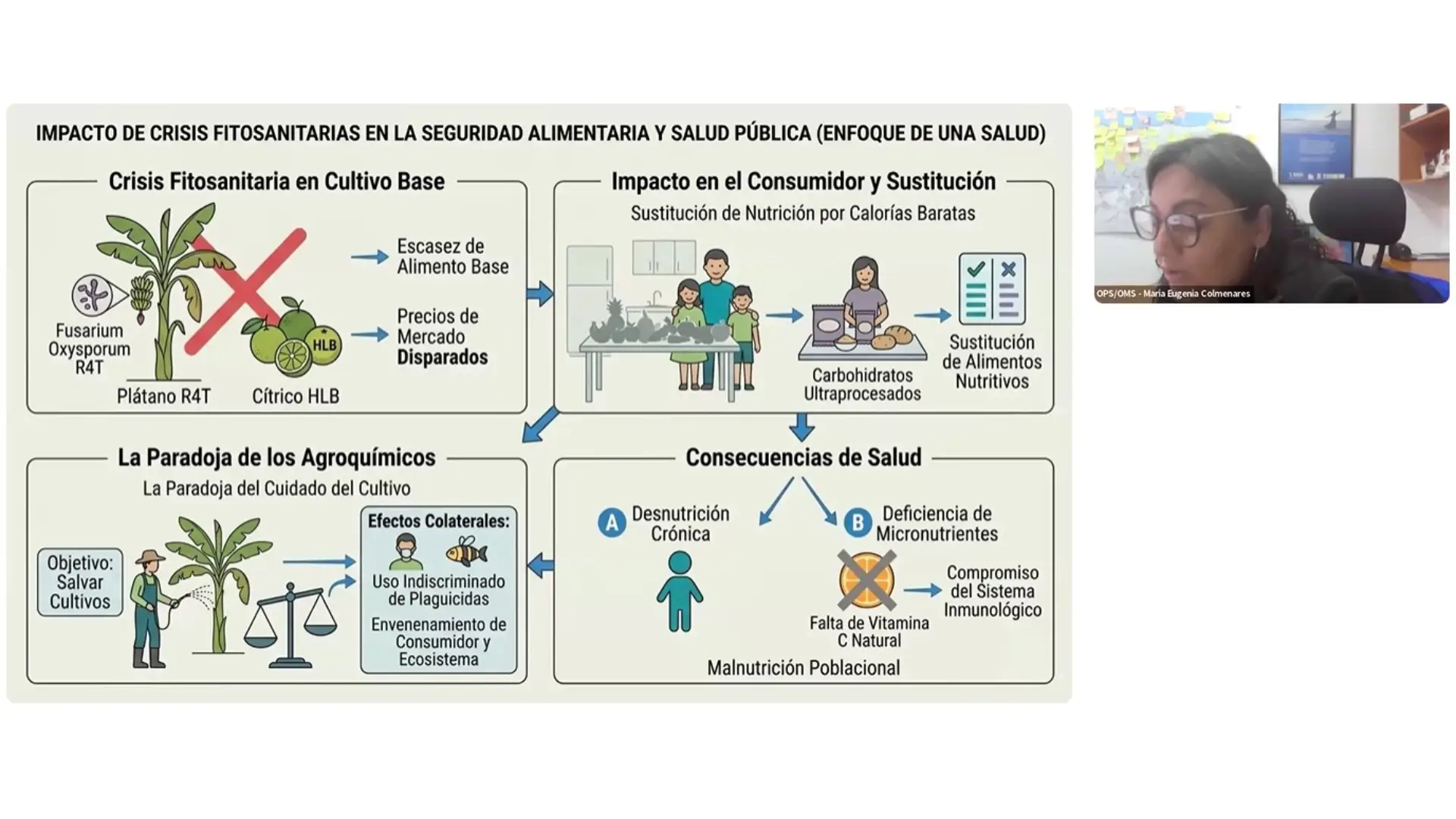
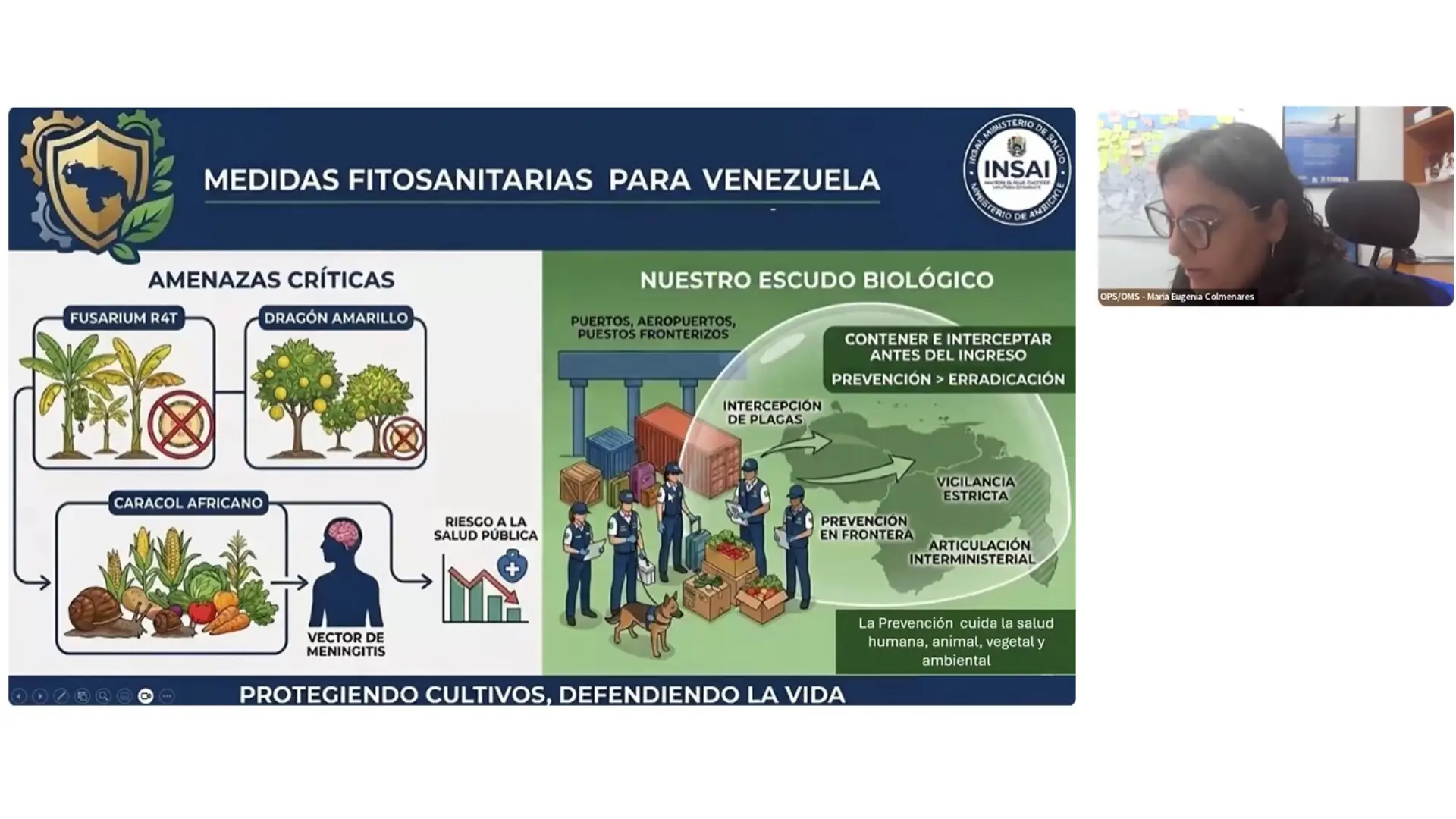
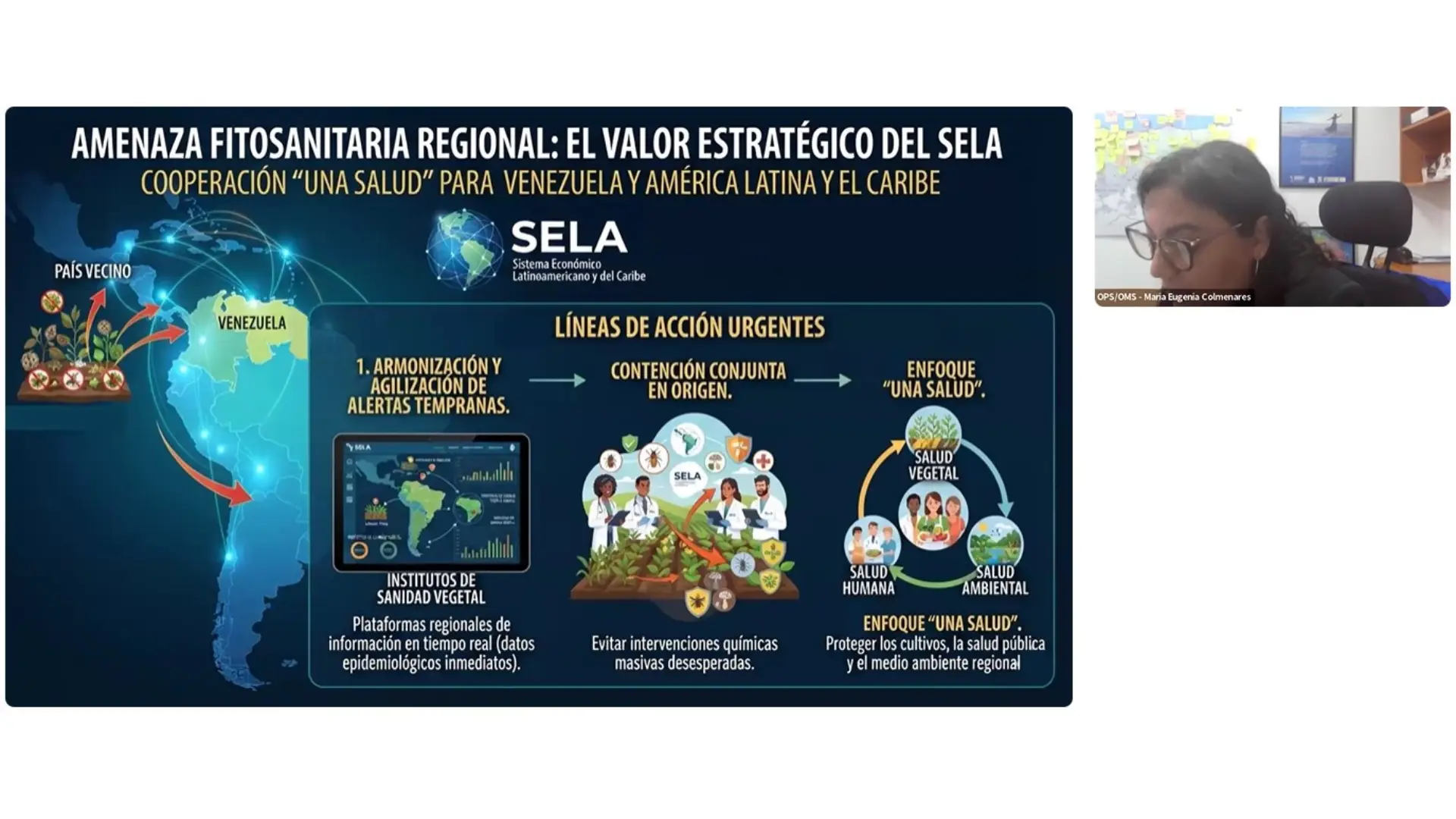
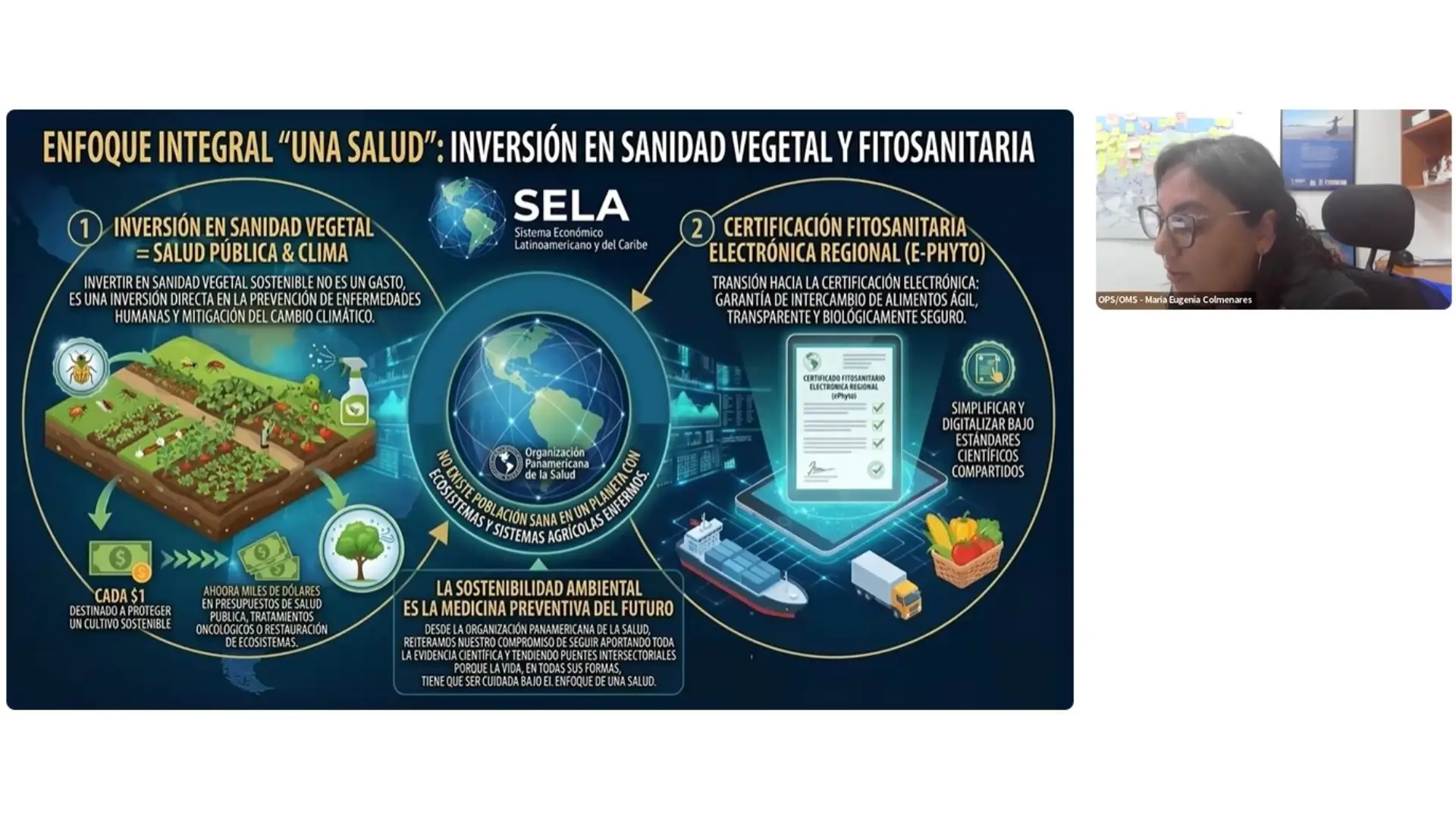
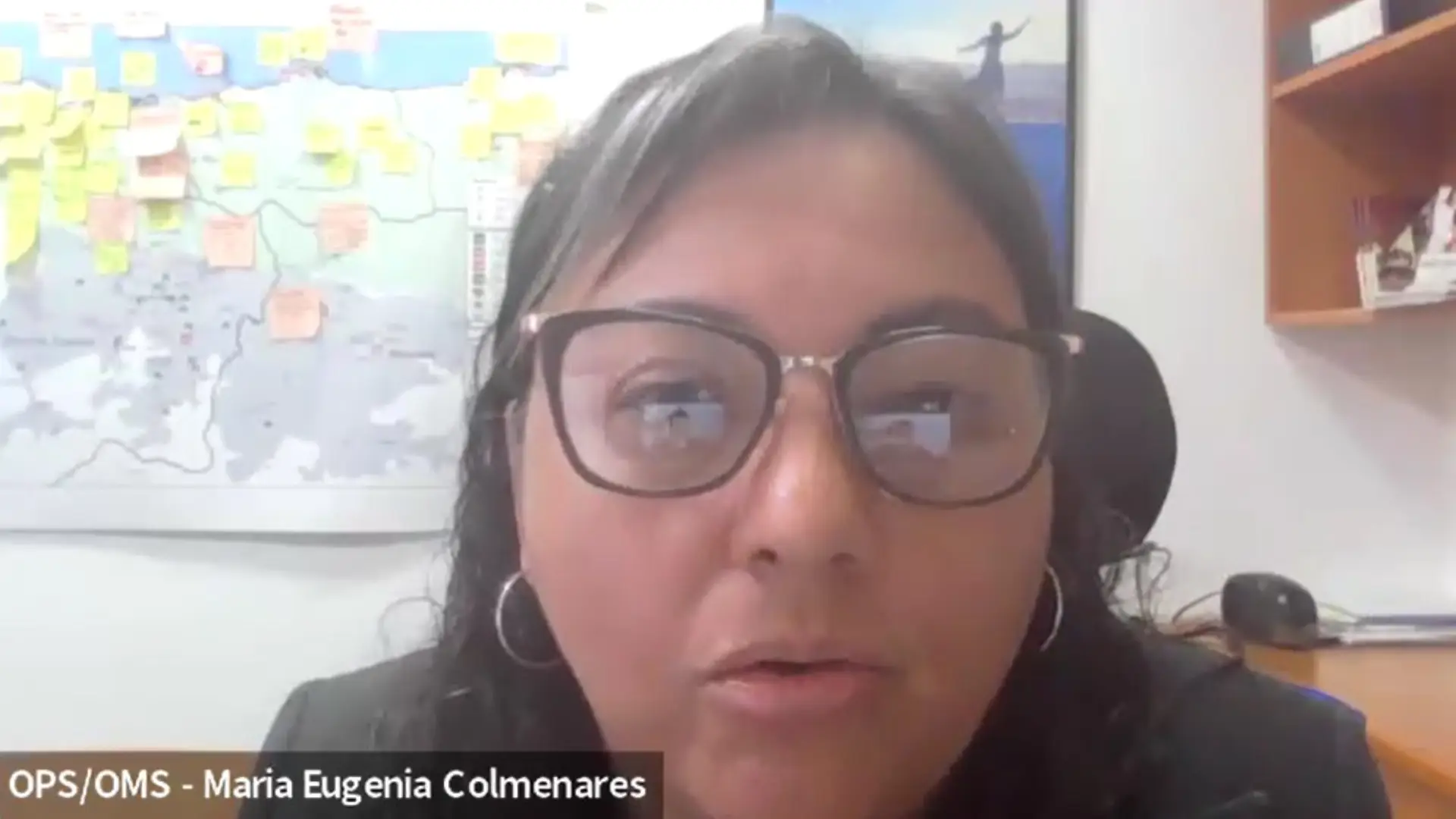
María Eugenia Colmenares Sarmiento, Doctor of Medicine graduated from the Latin American School of Medicine in Havana (Cuba), with a title revalidated as a Medical Surgeon by the Rómulo Gallegos National Experimental University. She is a specialist in Epidemiology and General Integral Medicine (Family Medicine) from the “Dr Arnoldo Gabaldón” Institute of Higher Studies, and is currently studying for a Master’s in Health Economics at the University of La Rioja (Spain).
She has more than 15 years of experience dedicated to the management and administration of health systems, the strengthening of the health workforce, the sanitary regulation of medical products and the design and implementation of public policies in collective health. In the field of public management, she served as the Sole Health Authority and President of the Health Institute of Apure State, leading the coordination and articulation of care networks in various territorial settings. At the Pan American Health Organisation (PAHO/WHO), she serves as a National Consultant in Health Systems and Services with a Primary Health Care (PHC) focus, having previously collaborated in the areas of Human Resources in Health, Immunisations and Epidemiological Surveillance. Her work focuses on institutional technical cooperation and the leadership of multidisciplinary and intersectoral teams at local and regional levels. |
|
| . | ||
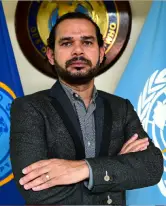 |
André Luis de Sousa dos Santos is the Coordinator of the Food Safety Unit of the Pan American Centre for Foot-and-Mouth Disease and Veterinary Public Health (PANAFTOSA) of the Pan American Health Organisation (PAHO/WHO). He holds a PhD in Polymer Science and has more than 20 years of experience in food safety, quality infrastructure and international regulatory affairs. Before joining PAHO, he held leadership positions in the Government of Brazil, including the presidency of the National Codex Alimentarius Committee. At PANAFTOSA, he leads regional initiatives to strengthen national food safety systems, promote risk analysis in food safety, strengthen the surveillance of foodborne diseases and support evidence-based policies and regulatory cooperation in Latin America and the Caribbean. |
|




 Information